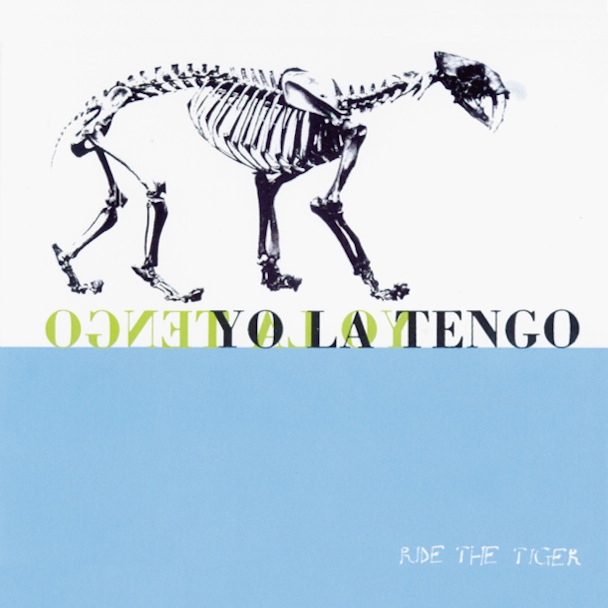
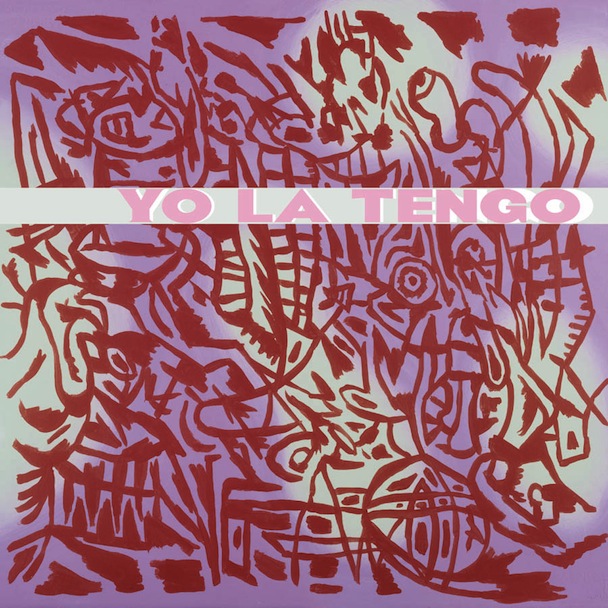
12. Ride The Tiger (1986):Ride The Tiger is a genial and enjoyable jangle-pop album of the sort that was in no short supply in 1986, but is mostly notable as a measuring stick for how incredibly far the band would come in later iterations. Mainly this is the sound of YLT playing small ball –the modest of pleasures of three-minute tunes like “Big Sky” and “The Cone Of Silence” are undeniable — but it would have taken a near-clairvoyant insight to discern that this agreeably ragtag collection of songs would launch one of the legendary discographies in modern music.
In the best possible sense, Yo La Tengo can feel less like a band and more like a beloved national trust.
YLT has for so long been proffering great music, and at such a consistent rate, that even for older fans like us it can feel difficult to wrap one's mind around their enormous and esteemed catalog. But a significant part of the fun of the band derives from the pleasure of falling arbitrarily into a sprawling and compelling story and working your way backwards and forwards through a tangled but brilliant discography that reveals unexpected pleasures at nearly every turn. To borrow a phrase, it feels like they were always the caretaker here.
Many fine bands have come and gone and come back and gone again in the time that YLT has diligently refined their craft and taken on ever more legendary proportions. Their initial full-length, Ride The Tiger, was released in 1986, alongside The Smiths' The Queen Is Dead, R.E.M.'s Life Rich Pageant, and the Beastie Boys Licensed To Ill. They predated Pavement by three years and are still going strong following Pavement's breakup and subsequent reunion tour.
Much like their spiritual forebears NRBQ, Yo La Tengo is a band composed of obsessive music fans, moved by their passion to master a phenomenal variety of idioms. As followers of the band will note, any given YLT release or show might at any time feature diversions into free jazz, power pop, soul, country, krautrock, samba, or just about anything else you might want to throw into the blender. Crucially, this freewheeling approach never feels like dilettantism: YLT's explorations into genre are always integrated into a coherent aesthetic that has evolved from countless years of hard study, collaboration, and touring. There is simply no way to fake your way into this circumstance. Only by dint of labor and passion (or genius plus love) were they eventually able to alchemize their approach into a completely unique and utterly inimitable sound all its own.
Early iterations of Yo La Tengo featured a revolving bass chair and some truly exceptional accompaniment. However the hiring of James McNew as permanent bassist in 1992 was a critical development. While the band has continued to employ esteemed contributors and collaborators, the addition of McNew to the husband-and-wife lineup of Ira Kaplan on guitar and Georgia Hubley on drums consecrated that rare formulation of musicians whose strengths, impulses, and desires fit perfectly together. With McNew on bass, frequently playing melodic lines in a high register, Ira Kaplan's guitar id seemed unleashed, his playing veering between the elegantly lyrical and the utterly unhinged, frequently in the same song. Hubley's diverse and creative timekeeping became even more so, and the band kept taking more chances. Perhaps most propitiously, each member could sing, and increasingly they would sing together. Kaplan and Hubley had long made hay out of their harmonies -- her beautiful and plainspoken alto meshing wonderfully with his surprisingly versatile Lou Reed-like croon. The addition of McNew's lovely high/lonesome vocals made for endless possibilities that, in the accustomed fashion of the group, were excitedly explored. Yo La Tengo are like the Band or Elvis Presley's "TCB" lineup -- complementing one another at every turn. The result has been a string of brilliant records that simultaneously credit and utterly rethink the music history they adore.
The creative drive, work ethic, and personal and professional dynamics that have allowed Yo La Tengo to continue to thrive in ways elusive to nearly all of their peers are multifaceted (and well covered by the writer Jesse Jarnow in his fine recently published history of the group Big Day Coming: Yo La Tengo And The Rise Of Indie Rock). YLT is remarkably prolific, and over the course of their career have released countless EPs, side projects, and soundtrack work, almost all of which is absolutely excellent. For the purposes of this article, we've stuck to ranking the 12 main studio LPs, but there is plenty more to discover. Starting here is our highly subjective attempt at putting this terrific catalog into an order; cries of "foul!" over our exclusion of the Condo Fucks go to the comments.
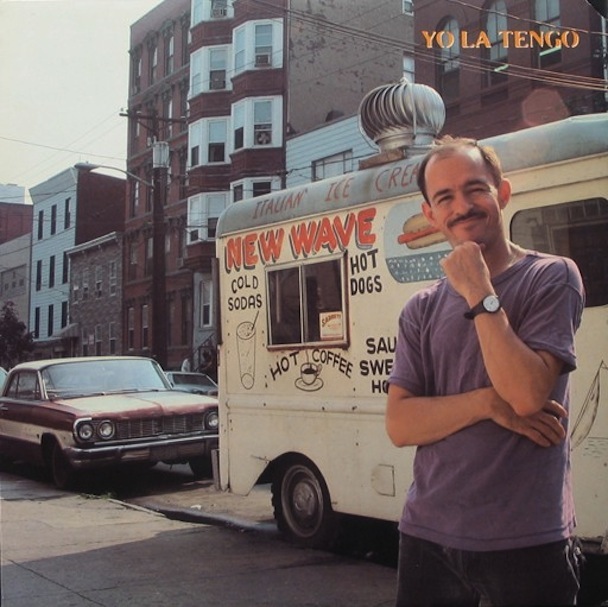
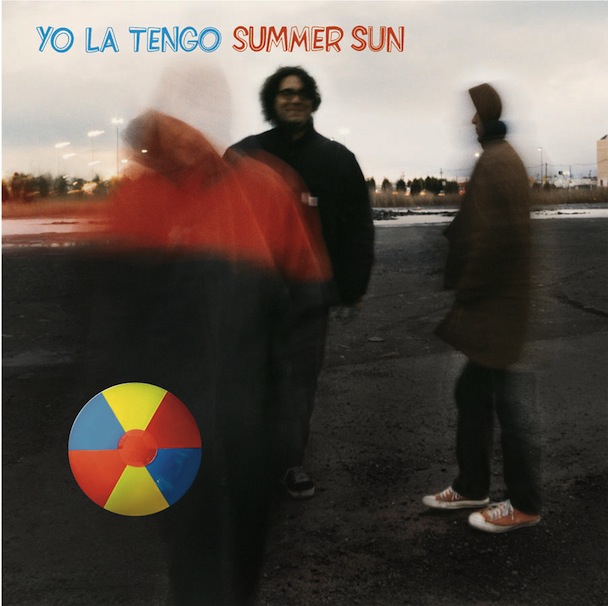
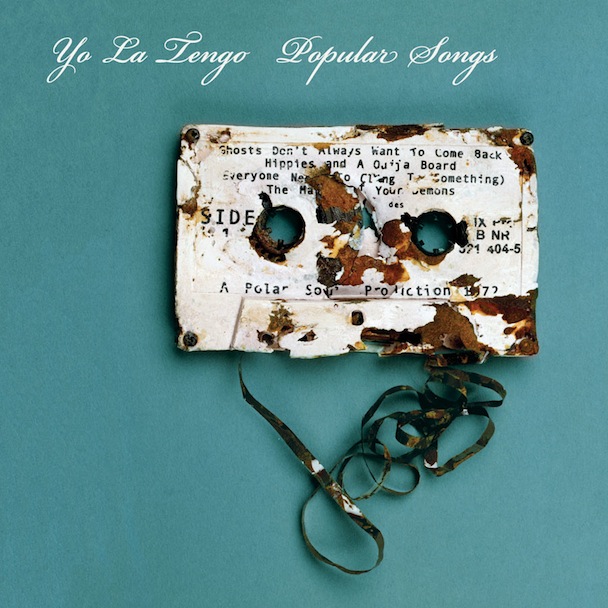
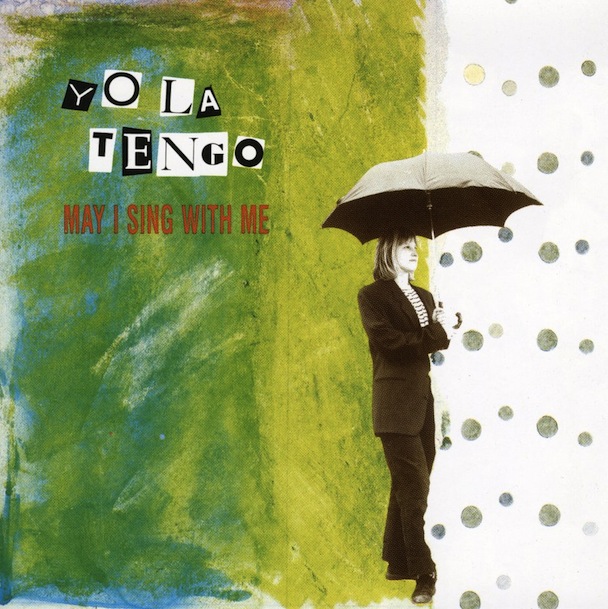
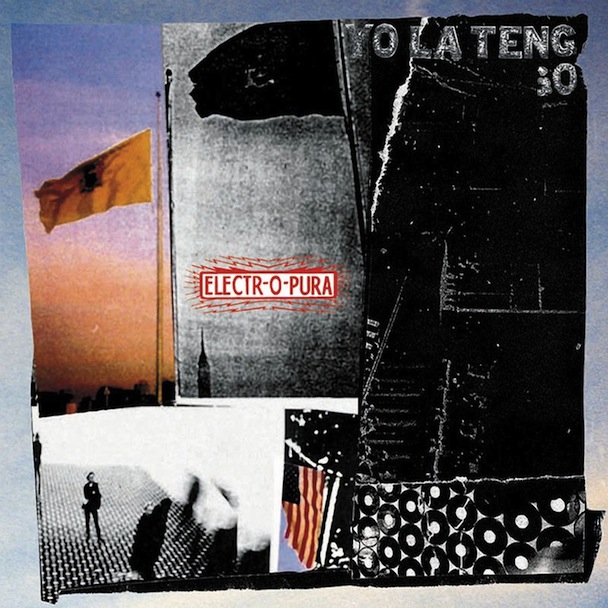
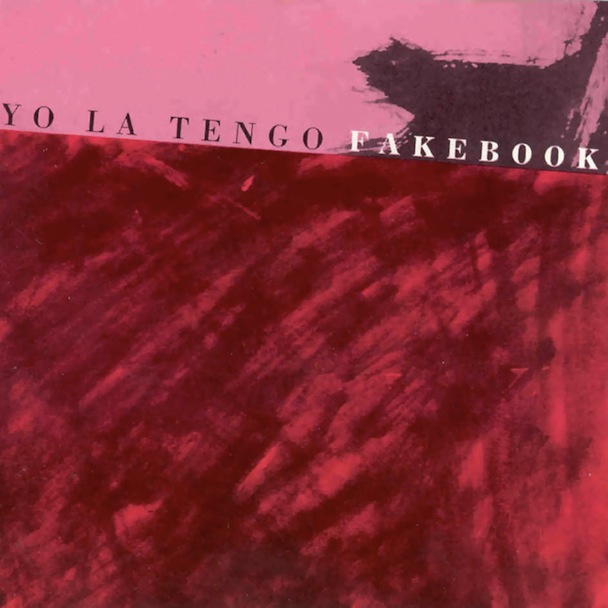
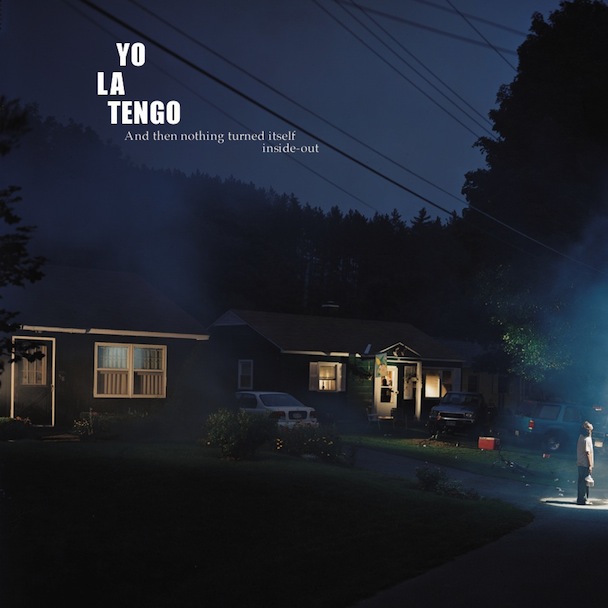
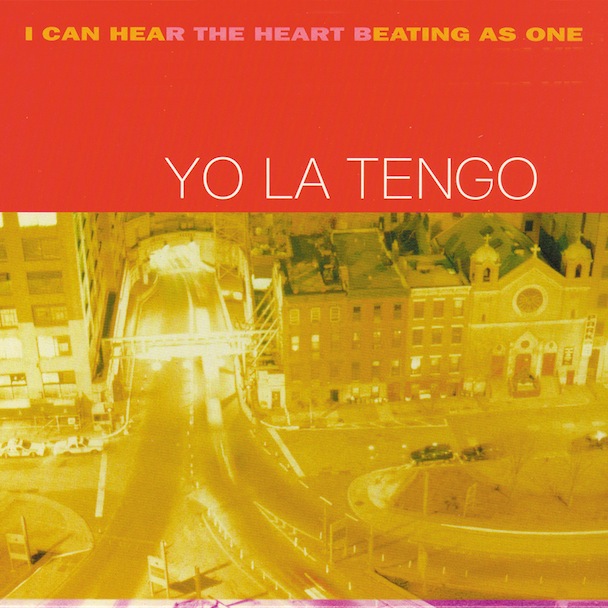
11. New Wave Hot Dogs (1987): Between the remarkable piece of peculiar folk "No Water" and the estimable blitzkrieg workout "The Story of Jazz," Yo La Tengo pointedly makes a comedy of expectations on their second full-length. This is a young band aiming high, but not yet in full possession of the faculties that will one day make them indispensable. It's difficult to say what it sounded like upon release, but in retrospect this is a fun and instructive listen -- abiding artistic ambition finding its legs.10. Summer Sun (2003): As a follow-up to 2000's intense, disciplined And Then Nothing Turned Itself Inside-Out and 1997's I Can Hear The Heart Beating As One, which showcased Yo La Tengo's uncanny knack for genre experimentation, 2003's Summer Sun feels like something of an exhalation for a band who had been running hell for leather along the cutting edge. For the first time in many years, Yo La Tengo appeared to be operating without an explicit sense of purpose. The promisingly titled "Summer Of The Shark" is appealing enough, recalling Belle & Sebastian but without Stuart Murdoch's acerbic wit. Same goes for the Georgia-sang "Today is the Day" -- the pieces are all in place and it sounds fine, but it lacks any of the recent creative restlessness that had come to characterize the band. Not even the Beatles were perfect every time out.9. President Yo La Tengo (1989): Featuring a number of great early Yo La Tengo compositions, President Yo La Tengo is an initiation into the creative ethic of a good band that is going to turn great. As far as originals go, "Barnaby, Hardly Working" is an instant classic, but the outside-the-box cover of Dylan's "I Threw It All Away" is the biggest sign of unusual things to come. 8. Popular Songs (2009): The outstanding 2009 release Popular Songs represents a successful and vastly inventive band still striving to find new frontiers. The highs are enormously high -- "Avalon Or Someone Very Similar" recalls nothing so much as the late and lamented Butterglory, with its insinuating charm. The agreeably goofy "Periodically Double Or Triple" is a delightful digression into garage-soul. Meanwhile, on the other end of the mood spectrum, penultimate track "The Fireside" conjures the tragic mystery of the Stones' "Moonlight Mile" and takes it a step further into desperation, making for one of YLT's most enigmatic and haunting listening experiences.7. May I Sing With Me (1992): The startling and abrasive May I Sing With Me may be the most willfully difficult record Yo La Tengo has ever made. Though balanced with a few lighter moments and one phenomenal pop gem "Upside Down," this is largely an exercise in Kaplan absolutely wrecking shop with his guitar -- the nine-minute-plus feedback-laden freakout "Mushroom Cloud of Hiss" verges on an out-and-out abusive. Like White Light/White Heat, this will not be everyone's cup of tea, but heard in the right frame of mind May I Sing With Me can make for an exhilarating listen.6. Electr-O-Pura (1995):Electr-O-Pura is a phenomenal record sandwiched between two masterpieces -- Painful and I Can Hear The Heart Beating As One. Song for song, it might not be the equal of those titans, but Electr-O-Pura represents a crucial step in further refining the group's sound and counts amongst its tracks some of the finest things the band has ever recorded. Anyone who can't enjoy "Tom Courtenay" -- arguably the best pure pop song YLT has given us -- is everyone you would never like to have over for dinner. Other highlights include the yearning "Pablo And Andrea" and the world historic showstopper "Blue Line Swinger," a live staple for years and one of the most exciting slow burns in rock history.5. Fakebook (1990): This 1990 release featured the band's quieter side, re-imagining them as folk enthusiasts capable of representing not only their own material but also pitch-perfect renderings of classics like the Kinks' "Oklahoma, U.S.A." and the Scene Is Now's "Yellow Sarong." In addition to being profoundly enjoyable, Fakebook is a crucial marker, iterating a group not constrained by expectations. This is Yo La Tengo laying out the vast playing field of their influences and curating a great deal of what will become the modern canon of pop music. 4. I Am Not Afraid Of You And I Will Beat Your Ass (2006): The brilliant 2006 release I Am Not Afraid Of You And I Will Beat Your Ass conjures all the band's skills and adds a few curveballs into the mix. The Ira-sang opener "Pass The Hatchet, I Think I'm Goodkind" sets a wry and vaguely malevolent tone, which is quickly enough ameliorated a few songs later by the gorgeous and infectious funk of McNew's "Mr. Tough," which sounds like Billy Preston at his most addled and winsome. Challenging tracks like the 9-minute instrumental "Daphnia," which feels like an excerpt from John Cale's The Academy In Peril, makes acquaintance with straight pop gem "I Should Have Known Better." Another classic set of remarkable and surprising songs.3. And Then Nothing Turned Itself Inside-Out (2000): This gripping, noir-ish release represented yet another sea change in Yo La Tengo's approach. Beginning with the vaguely menacing "Everyday," and culminating in the devastatingly beautiful 17-minute meditation "Night Falls On Hoboken," the band renders this set of music with remarkable discipline and attention to detail. A masterclass in restraint and storytelling, And Then Nothing... displays an economy in its approach to music and lyrics that imbues the material with richness and immediacy. This is, depending on how one elects to interpret it, the closest that the notoriously private Yo La Tengo has ever come to confessional songwriting. Typically, however, their approach to autobiography is carefully calibrated, moving and free from the careworn clichés of so many relationship-themed albums. A mature and powerful contemplation on the ups and downs of a lasting partnership. 2. Painful (1993):Painful is Yo La Tengo's first in a highly fruitful series of collaborations with producer Roger Moutenot and the first instance of the band at the peak of their powers. Top-notch songwriting throughout combines with daring soundscapes, which commingle the gentle and abrasive in ways that have little precedent. Stripping back the full-on noise assault of May I Sing With Me, this is a great rock record executed with cool reserve. On tunes like "Sudden Organ" and the wonderful "Double Dare" the band has expanded their palette to include shakers, keyboards, and other elements that will become increasingly crucial to their sound. Kaplan's use of feedback here is mainly soothing, a neat trick that he will employ to ever greater effect going forward. The definitive and lovely cover of the Only One's "The Whole Of The Law" is amongst the best and most moving testimonials to enduring love recorded in recent history. This is a landmark release that sets the table for a great band's most impressive achievements. 1. I Can Hear The Heart Beating As One (1997): The remarkably accomplished and diverse I Can Hear The Heart Beating As One represents the pinnacle in the story of Yo La Tengo. Never before has the band better exemplified their astonishing range and adroit relationship to multiple genres. From the great cousin-of-the-Velvets' "European Son" "Moby Octopad," to the Pauline Kael tribute "Deeper Into Movies," to the lovely, yearning "We're An American Band" (not the Grand Funk Railroad song), this is a record that both absorbs and transcends pop music history. It's an ambitious and uncompromising modern pop album that dares to proceed without limits. Yo La Tengo is a brilliant band, but never an open book. Part of their appeal revolves around their concentrated enigma, never expressed better than in the "Moby Octopad" couplet, "Locked in a kiss, outsiders cease to exist." They appreciate your attention, but their band could never be your life -- it's their own for the keeping.