

- Columbia
- 2025
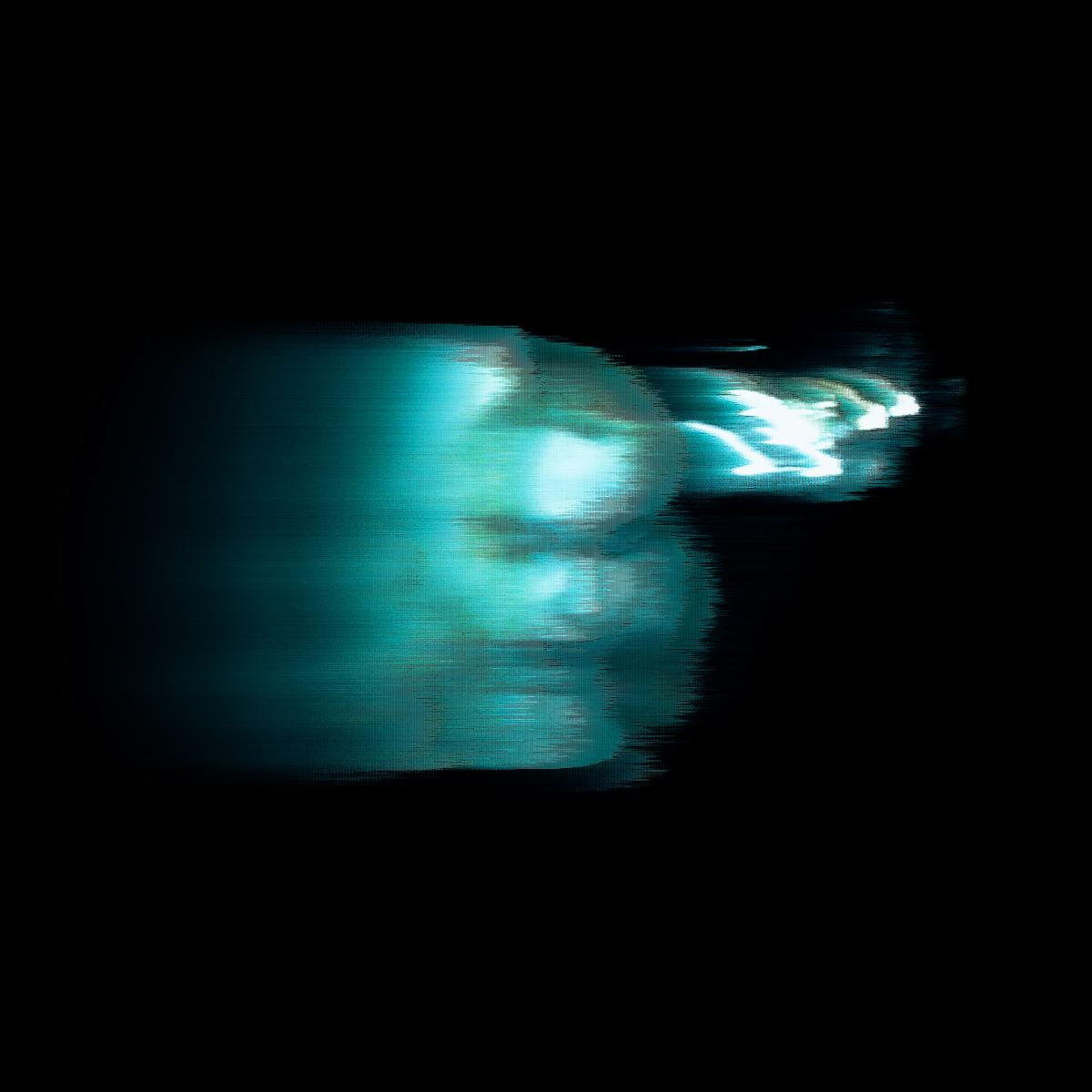
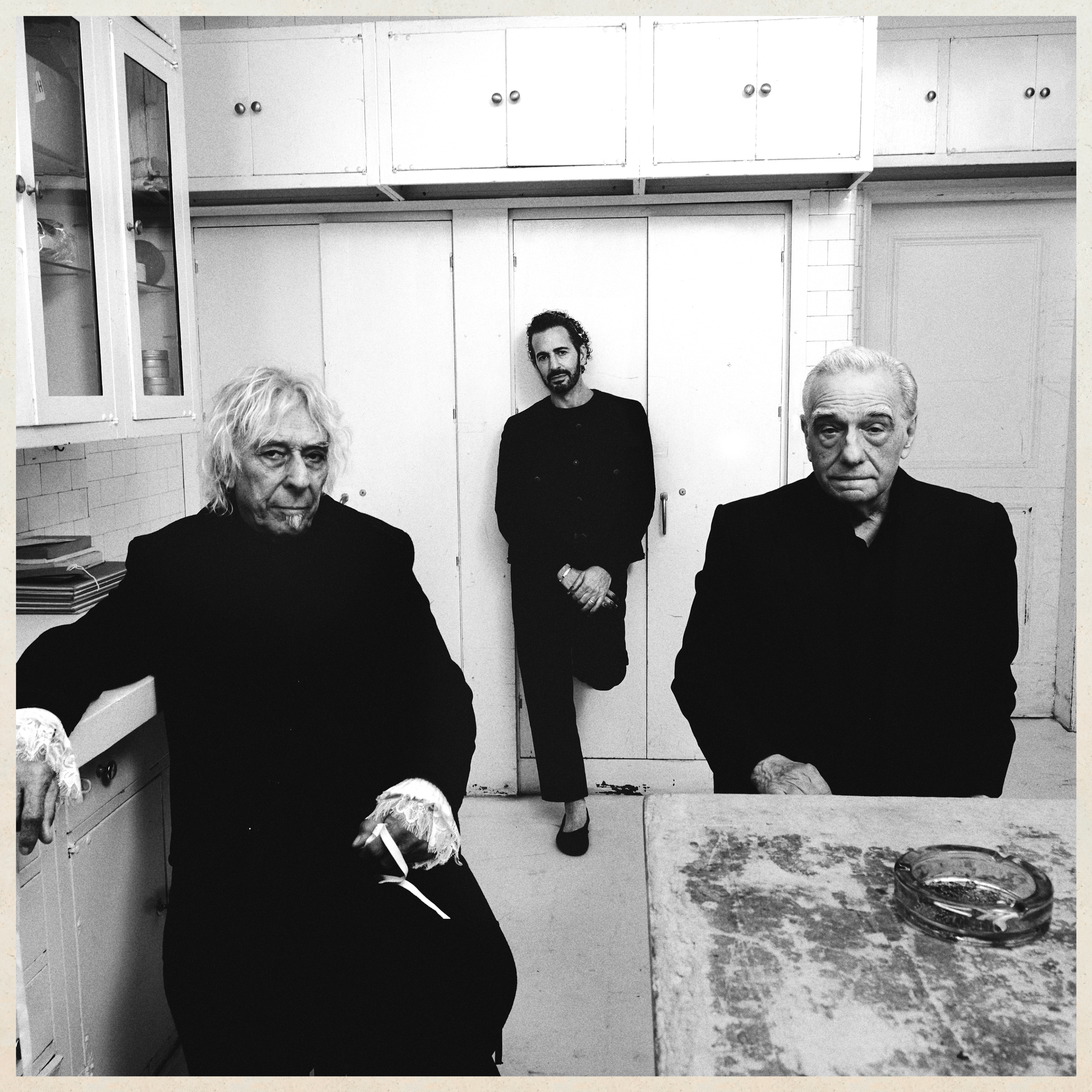
Deadbeat starts with Kevin Parker's mewling, high-pitched voice over the kind of loosely flowing piano chords Britt Daniel might write, sounding lo-fi enough that it could have been recorded directly into his phone. About a minute in, he cues up a syncopated disco-house groove built for strutting. More layers of synths, percussion, and vocals pile on, all while that steadyfour-on-the-floor thud persists. Parker spends the whole song singing about descending "back into my old ways again" — a good bit, since no Tame Impala song has ever sounded like this before.
Even as it forges into new territory, Tame Impala's fifth album is not some radical departure. In 2010, Parker's project emerged as an analog retro fetishist's dream with InnerSpeaker, their catchy and combustible full-length debut. The Australian studio rat spent his next three three albums gradually weaving synths, dance beats, and elements of everything from hip-hop to soft rock into his music, developing a commercial-friendly platonic ideal for streaming-era psych. In the process, Tame Impala has steadily morphed from one of the greatest rock bands of their generation into… something else.
Deadbeat probably does not mark the end of Parker's creative metamorphosis, but it does feel like the completion of an arc: It's the first Tame Impala album that does not rock, not even a little bit. That may be a non-starter for you — especially more than five years after the last Tame Impala album, especially when that album was Parker's least beloved release to date. If so, fair enough; Deadbeat is not what you signed up for, and it's definitely not the return to form you were praying for. I'm not a genre purist, and I loved 2020's The Slow Rush, an album full of big swings, fascinating choices, and, I'd argue, great songs. The bigger question for me is not whether Parker is going to reclaim past glories but whether he still has the juice. The specific aesthetic choices are less important than the chase for the kind of exhilaration Tame Impala traditionally provides.
With that endorphin-rush pursuit in mind, it doesn't feel entirely fair to judge Deadbeat without hearing it at a party, in the club, or in a field blasting from large, expensive speakers. That's where this music seems designed to thrive — in environments where people dance, drink, flirt, cut loose, and come down — and that's where Parker's head seems to be. He's been promoting the album with DJ gigs rather than concerts. He keeps talking about bush doofs, forcing us to Google "what is a bush doof." He told Zane Lowe he considered making a techno album and putting it out anonymously — and based on the extended dancefloor workout "Ethereal Connection," he could pull it off. It's possible that hearing these songs out in the world, blaring amongst a throng of revelers, would unlock them. But I've never needed a context change to be excited by Parker's music before, and some of the best dance records are capable of leaving me dumbfounded in my desk chair.
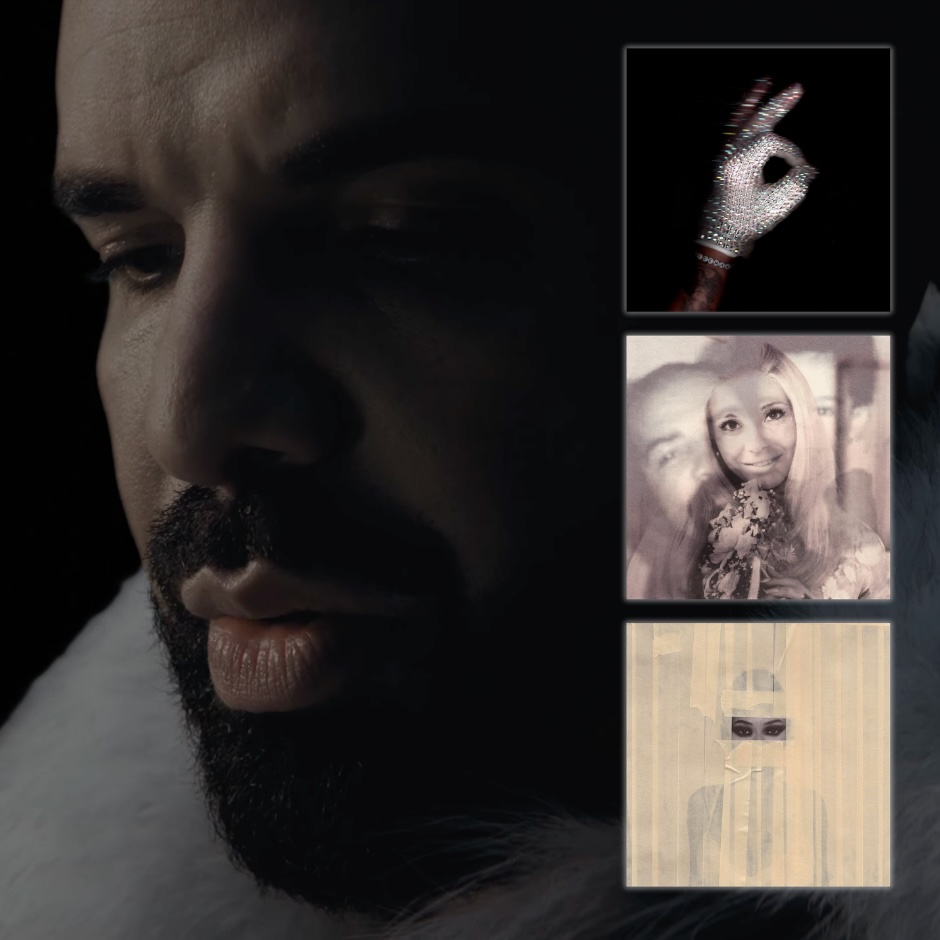
Deadbeat doesn't get me there as often as past Tame Impala albums, though it has its moments. I love when the pounding, whirring arrangement drops out on "No Reply," leaving the wistful piano in the spotlight. The beat on "Obsolete" is somehow both nasty and cute. At its best, the record reminds me of Drake's "playlist" More Life, a brisk and dreamy collection of club tracks that bangs in delicate, aerodynamic fashion. Some of the most propulsive moments seem directly inspired by Michael Jackson's "Thriller": the spooky electro-disco single "Dracula," obviously, but also the midnight-black beat drop in the middle of "Not My World" and the synth bassline that drives deep cut "Afterthought." It is, in other words, way too much of a pop album to be the anonymous techno project that Parker has dreamed of making. As he told Lowe, when constructing his music for beach raves, he could not snuff out his need for chord changes: "I started longing for that Tame Impala thing."
That makes sense. Parker's propensity for pop songwriting is the most consistent throughline across Tame Impala's discography. Whether cranking up the vintage tube amps or programming digital kick drum just so, he's never stopped spinning lysergic Lennon melodies at the center of the swirl. His voice is not likely to blow you away, but it's lithe and brightly beaming, partially thanks to the way he processes it. He's still capable of writing hooks that leave a faded neon imprint on your brain. Here, they're more often in service of a flow state, not a lightning strike. It's not the juice that's flowing, though. Even when the rhythms are tightly wound, the songs don't have the spring-loaded momentum that benefitted Tame Impala's previous moves away from rock.
On his earliest records, Parker used that fragile but powerful instrument to sing about getting lost in his own mind. He later tackled romance, breakups, settling down, letting himself transform. On Deadbeat, his focus is often the inner conflict between indulging his homebody tendencies and getting out into the world to party — perhaps a strange fixation for a thirtysomething father of two, but I guess that's why he called it Deadbeat? Sometimes, as on "Dracula," the culprit is domesticity: "My friends are saying, 'Shut up, Kevin, just gеt in the car'/ I just wanna be right where you are." Other times, as on this clunker from "No Reply," it takes the form of pirated Peter Griffin: "You're a cinephile, I watch Family Guy/ On a Friday night, off a rogue website/ When I should be out with some friends of mine/ Running recklеss, wild in the streets at night."
Deadbeat, though, is not a wild album. It's the tamest Impala has ever sounded. Even the closest thing to a rock song here, the funky "Loser," is all vibes, no grit. In the time of chillwave, Parker presented a more visceral psychedelic option. There was a spacey fluidity to it all, but damn, those drums. On his maximalist rock masterpiece Lonerism, his hybrid opus Currents, even the slightly more bloated and lumbering The Slow Rush, he whisked us away on a journey. There was breathless momentum, a real sense of drama. Whether gargantuan or intentionally chintzy, the music was beautiful, and it hit hard. These songs amble. Even when they pick up the pace, they don't really take you anywhere, except maybe the fitting room at American Eagle.
It's not hard to imagine a full-on Tame Impala dance album that delivers those kinds of thrills. Instead we got one that, although immaculate and adventurous as ever, feels a bit undercooked and in need of an editor. I appreciate the novelty of a reggaeton beat on a Tame Impala album, as heard on "Oblivion." I admire the idea of a Brian Wilson vocal suite over a Wendy Carlos synth bed on "See You On Monday (You're Lost)." I can feel the warmth emanating off of the album-closing sprawl "End Of Summer." There are glimpses of inspiration all over the place, but as a whole, this journey is a slog — one of those post-peak albums from an old favorite that I might strain to enjoy out of loyalty but doesn't compel me to keep coming back on its own merits. In attempting to give us Homework, Parker has instead given us homework.
Deadbeat is out now via Columbia.