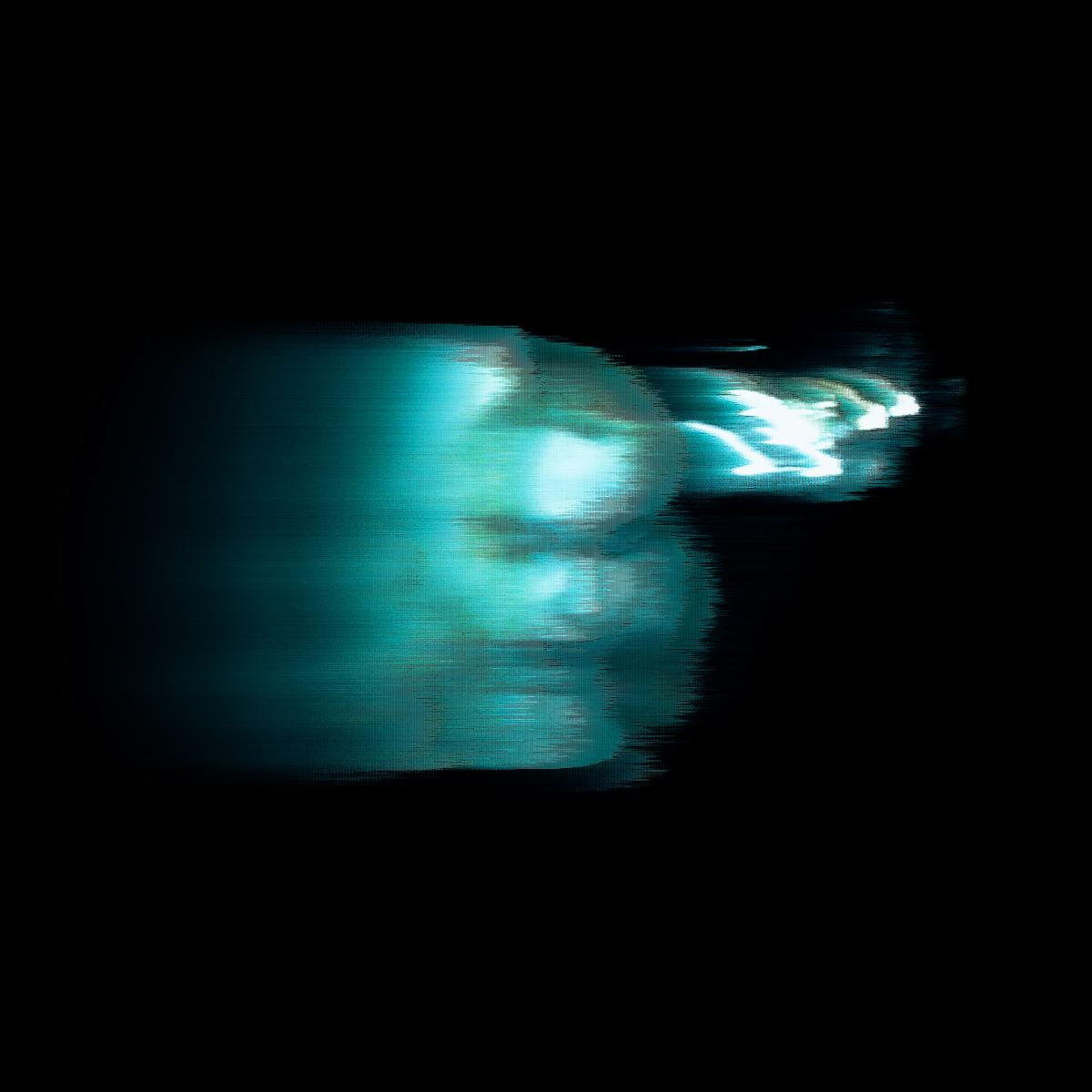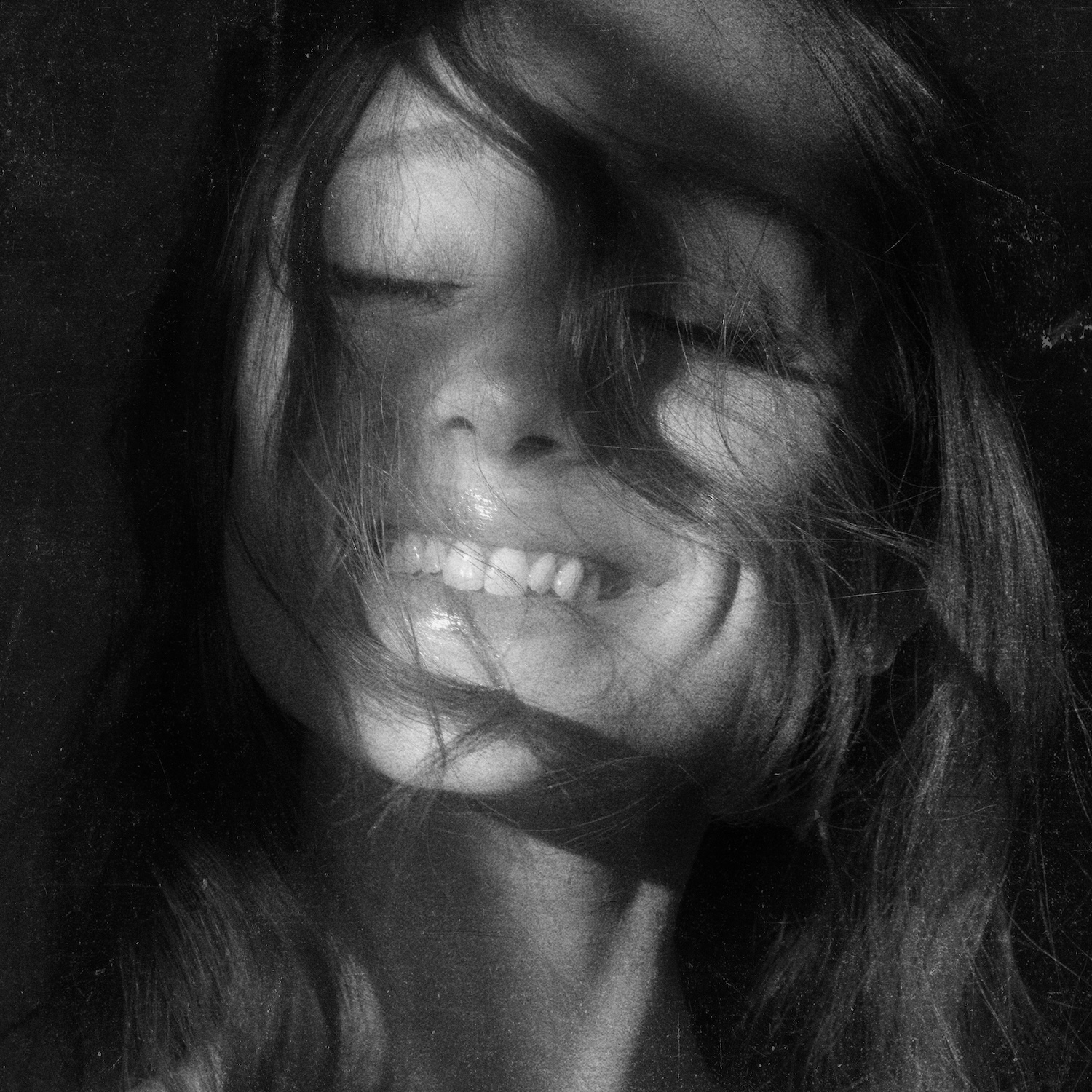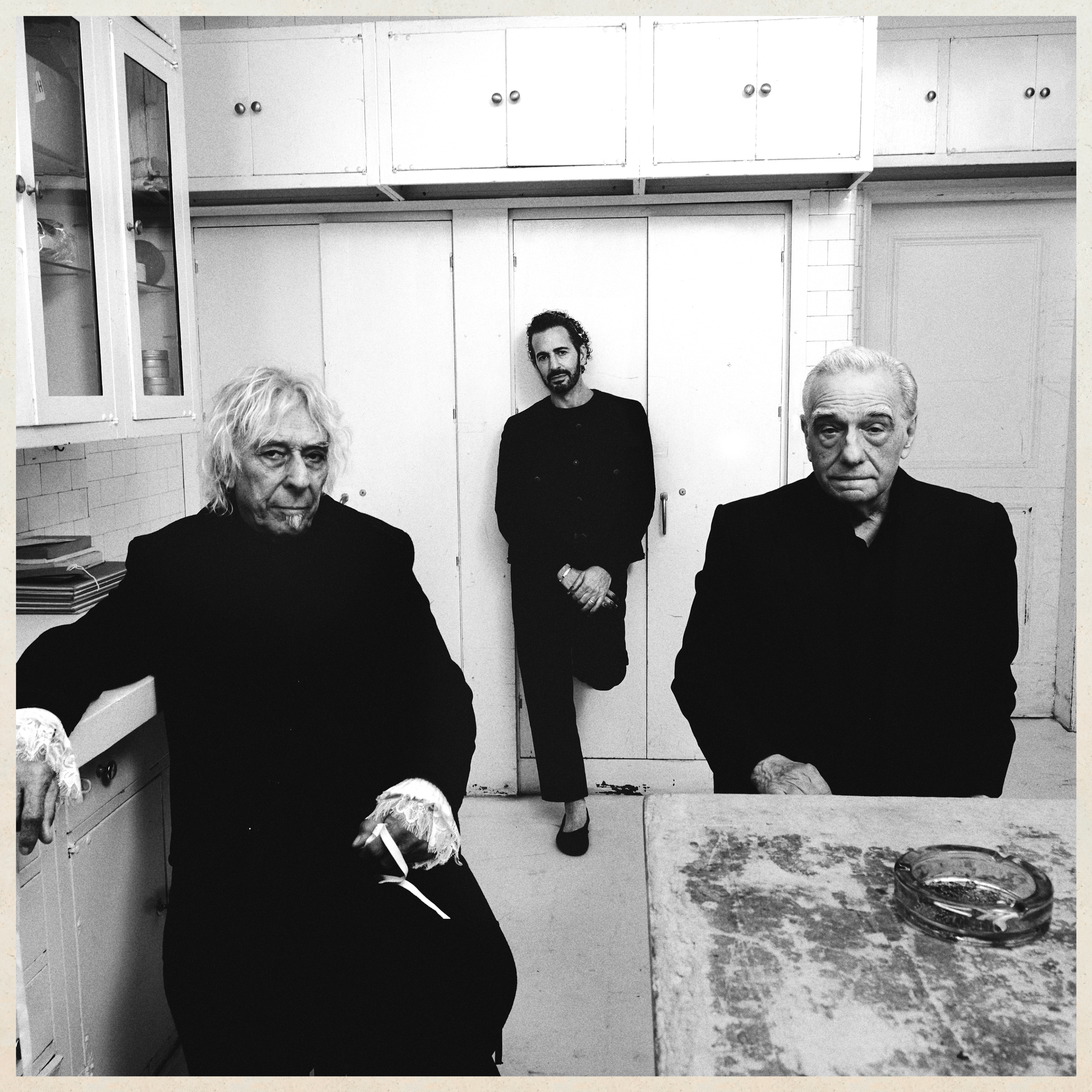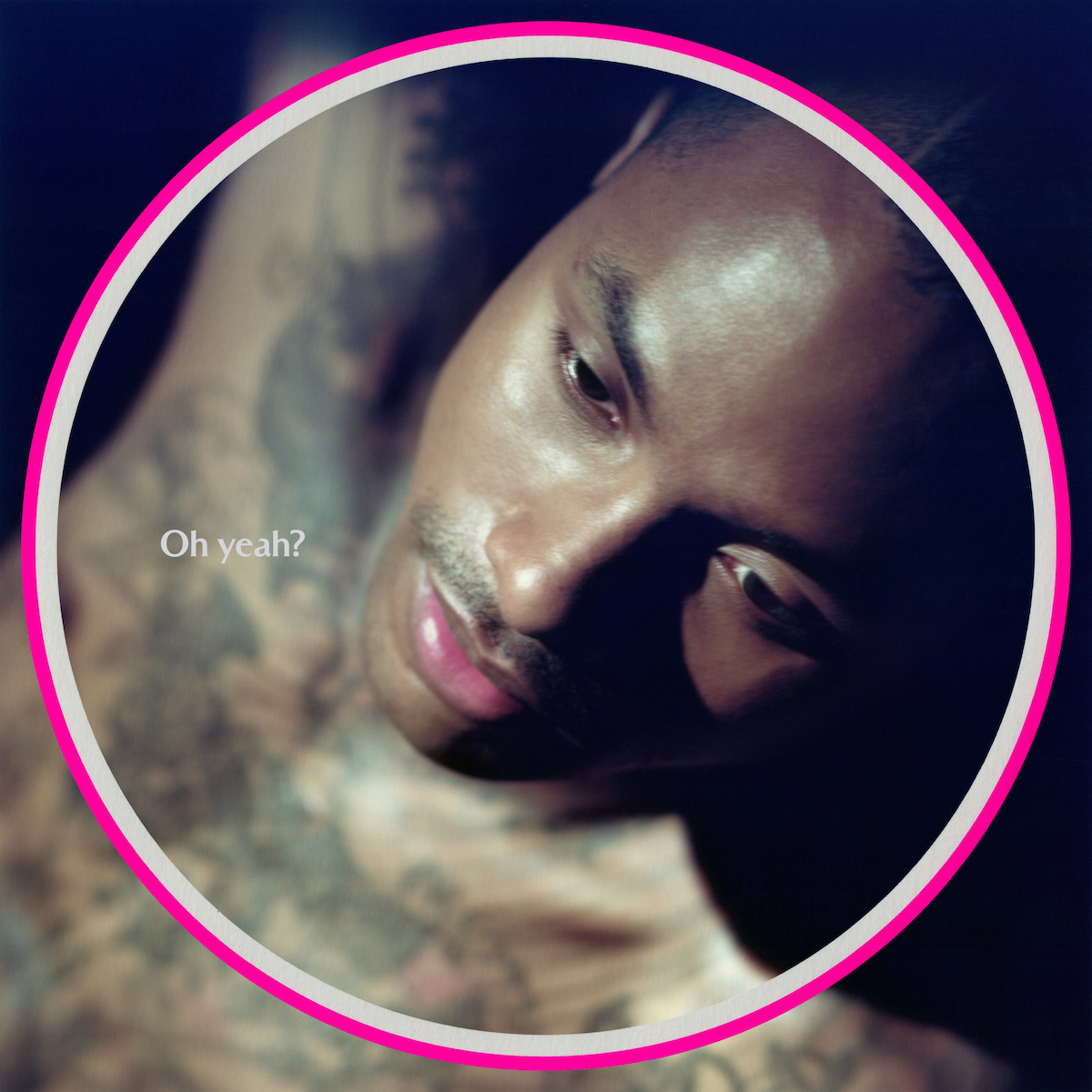

- Columbia
- 2025
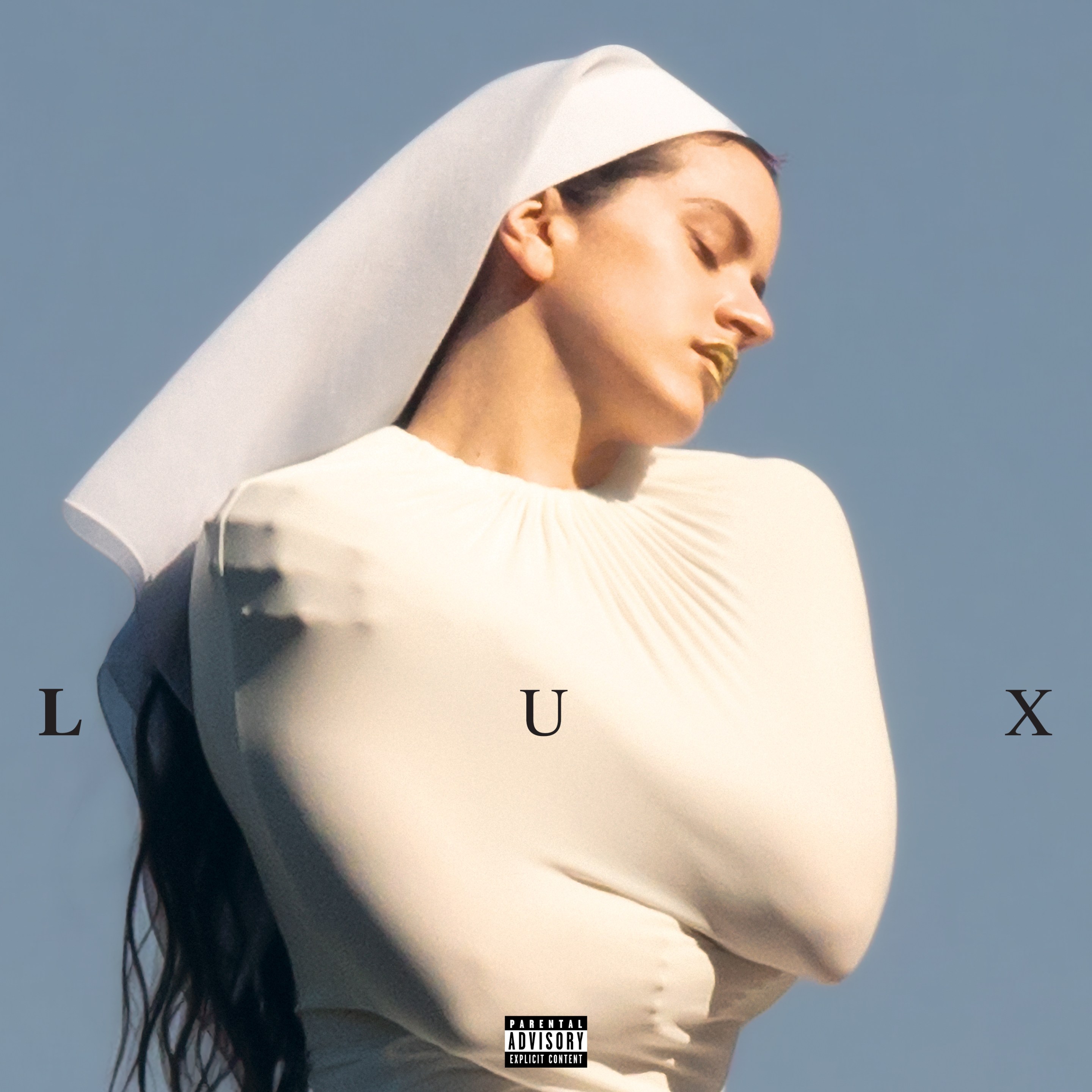
LUX — the fourth studio album from brazen pop star Rosalía — is a spiritual opera that dares to see how many more genres, doors, realms the Spanish auteur can break through. From its outset, she is caught somewhere between life and death. In the overture “Sexo, Violencia y Llantas,” she imagines an existence ascending to heaven and then back to earth. “How nice it’d be to live between them both/ First I’ll love the world then I’ll love God,” she sings, her spiritual dreams fortified by a magnolious choir. With piano trickles that fall like teardrops and somber strings, we’re already miles away from (or in this case above) the skid-marked revelry of 2022’s MOTOMAMI. On that album’s closer “Sakura,” she compared the glamorous lifestyle to the fleeting life of the Japanese flower: “Being a pop star never lasts.” Over shrieks of fans, her live vocal delivery presented a chilling parable that she was reaching for more than swerving around fame’s potholes. LUX does more than take Rosalía to transcendent new heights. If MOTOMAMI was the sound of a pop star rejecting calcified fame, LUX is that star diffusing into myth.
Rosalía has always been fixated on transformation — “Eh, yo soy muy mía, yo me transformo/ Una mariposa, yo me transformo,” she sang on MOTOMAMI opener “SAOKO” — and throughout her career, she has transformed. After breaking through as an avant-garde flamenco singer on Los Ángeles and El Mal Querer, she expanded her reach into more mainstream, modern aesthetics, adopting the sounds of reggaeton, dembow, and experimental pop. As a white European woman operating in genres belonging to Romani and Latin American traditions, she has faced pushback on both fronts, but she has continued to argue for the right to freely explore as an artist, including in new interviews published this week. There are fair questions to be raised about appropriation, but one thing she does not do is dabble. Her recent sitdown with Popcast made it clear she is a student of the genres she explores, and she uses that in-depth immersion to power herself creatively and spiritually. LUX is further evidence that she’s an artist that will not ask for permission to pursue creative freedom. And in this case, it’s hard to argue against the results.
LUX shifts away from MOTOMAMI’s playful immediacy for grandiosity that eventually asks you to sit still. After her foray into radio-friendliness, she’s circling back to a forward-thinking take on traditional European sounds, but with ambitions that extend around the globe and into the skies. LUX is structured into four acts and features Rosalía singing in 13 different languages. It’s a research project of an album, where the 34-year-old classically trained musician synthesizes operatic form, divine intervention, and earth-quivering electronica into a study of feminine and masculine energies in motion. Though technically nine tracks shorter than its predecessor, the project is definitely asking a lot of the listener. It rewards that investment.
LUX is smartly structured. It’s mostly bangers in the front, ballads in the back. However, Rosalía and company strategically build these songs with emotional intensity and cinematic grandeur. Rosalía recruits producers and composers from all over the genre spectrum in order to make what will be one of the decade’s avant-pop oeuvres. She reunites with MOTOMAMI collaborators Dylan Wiggins and Noah Goldstein, while also recruiting Pharrell (“De Madrugá”) and Daft Punk’s Guy-Manuel de Homem-Christo (“Reliquia”). Elsewhere, Tobias Jesso Jr, The-Dream, OneRepublic’s Ryan Tedder, Pulitzer Prize-winning composer Caroline Shaw, and Portuguese fado singer Carminho Andrade appear. Oh yeah, and every song features the London Symphony Orchestra with conductor Daníel Bjarnason.
“It has the intention of verticality,” Rosalía revealed about the album’s structure. And, my lord, does this album reach some sort of nirvana — not only via its insane production value, but through Rosalía’s vocal performance. Frankly, most songs on LUX are chill-inducing, like Billie Holiday or Édith Piaf level. “Mio Cristo Piange Diamanti” houses the first of these baffling moments. There’s no left-turn pop detours as in the previous songs. Instead, Rosalía is left to amaze us with her own vocal acrobatics (in Italian) and a piano. Within less than 50 seconds, she shifts from a guttural belt to small wail, as if trying to protect a flame in the back of her throat. At the end of the same song, she breaks the fourth wall with a bit of humor as if to reassure us she hasn’t left us in a stuffy opera house in glamorous yet stiff velvet chairs.
It’s these unexpected moments that help listeners lock into the album’s cinematics and overcome the distance that at first might be felt from the language shifts. As the album simmers with the last several songs, Rosalía’s vocal prowess and lyrical acuity come into overwhelming hyperfocus. She has become a vessel for cosmic noise.
LUX captures how art is used as a channel for mysticism and as a balm for anxiety about our own mortality. On immediate standout “Reliquia,” Rosalía lists everywhere she’s lost pieces of herself: her hands in Jerez, her eyes in Rome, her tongue in Paris, heels in Milan, her time in LA, her smile in the UK. Violins dart sharply around, as if chopping bits of her away, while her vocals soar over a muted stomping flamenco beat. She pleads, then announces, then insists on the chorus that she will be a relic: “Seré tu reliquia/ Soy tu reliquia/ Seré tu reliquia.” These songs similarly are like relics, parts of Rosalía which symbolize a past that we can use to unlock other doors within ourselves as time moves forward.
On album stunner “La Yugular,” Rosalía samples a speech from a controversial 1976 interview with Patti Smith where Smith details art and human liberation. “Break on through to the other side. It’s just like going through one door/ One door isn’t enough, a million doors aren’t enough.” Smith describes change as uncontainable, thus our search for it as insatiable and our quest for liberation as neverending, at least in this corporeal realm. The songs on LUX are animated spells or reminders to never sit still, keep breaking through.
LUX is a demanding experience, but there is something about it that is necessary and urgent. This is not another dopamine pop album. Don’t get me wrong, I love dopamine pop. But here, when Rosalía asks more of herself and in return more of us, she is not expecting an answer; she’s presenting a challenge that feels restorative. On the sublime closer “Magnolias,” Rosalía accepts death as another door. “I come from the stars/ But today I turn to dust to go back to them,” she sings on the album’s final line. LUX reminds us of the lifetimes we live in a lifetime and how imperative it is not to become numb to such a miracle.”
LUX is out now on Columbia.