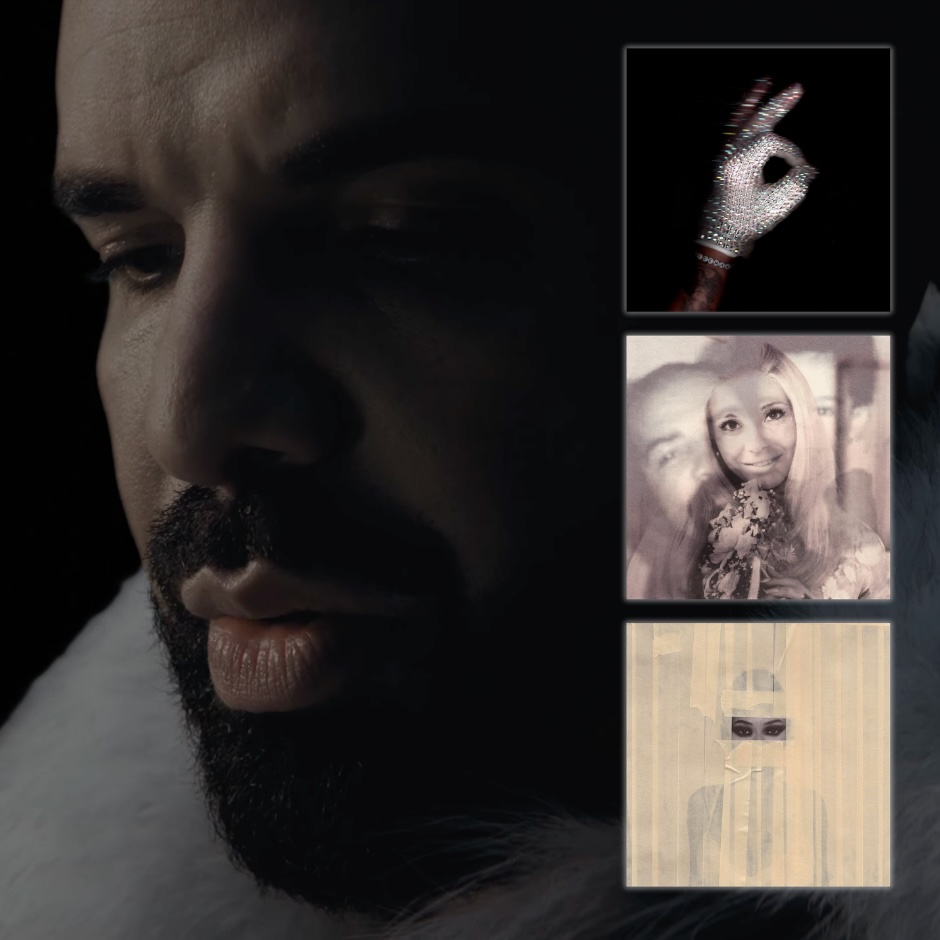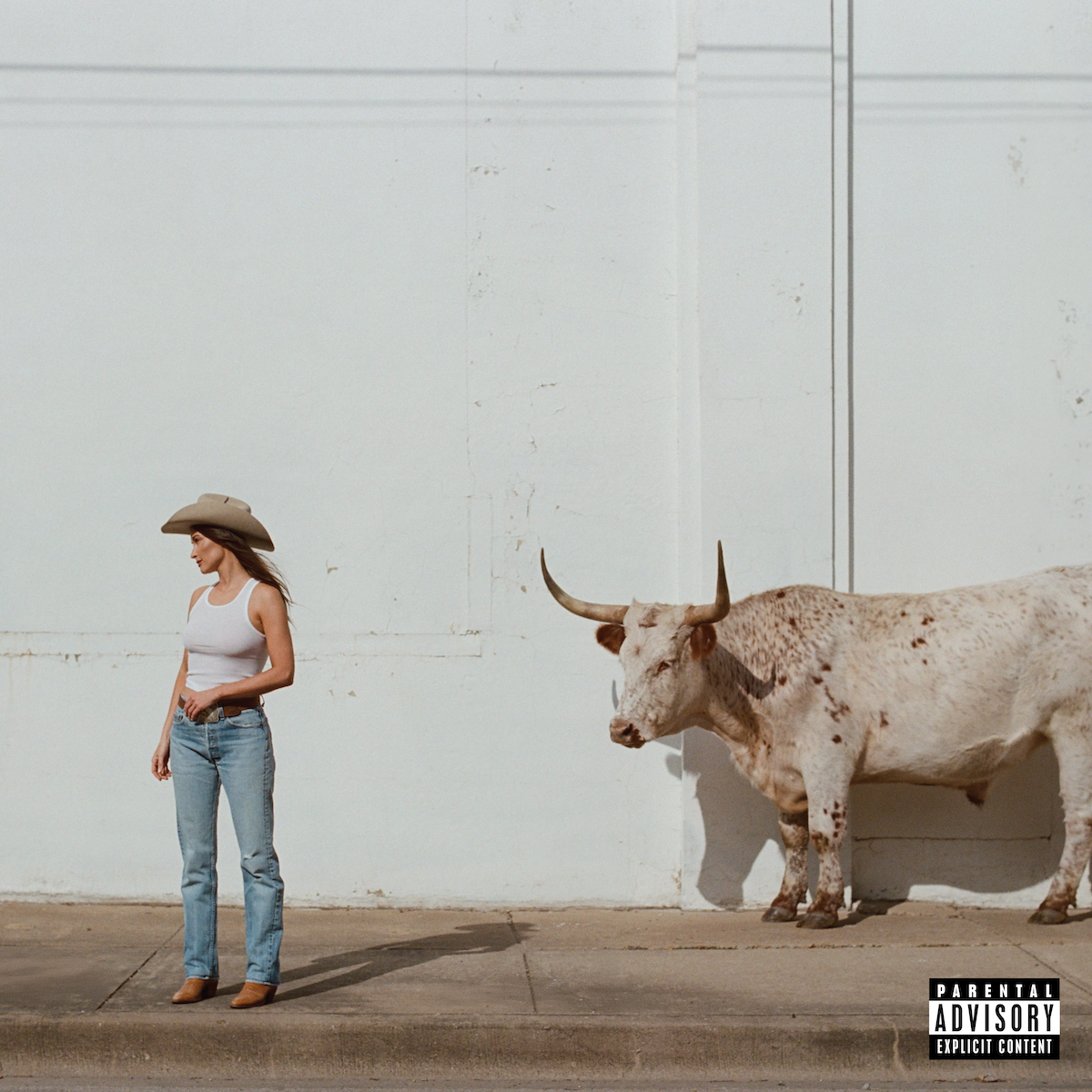

- Dead Oceans
- 2026
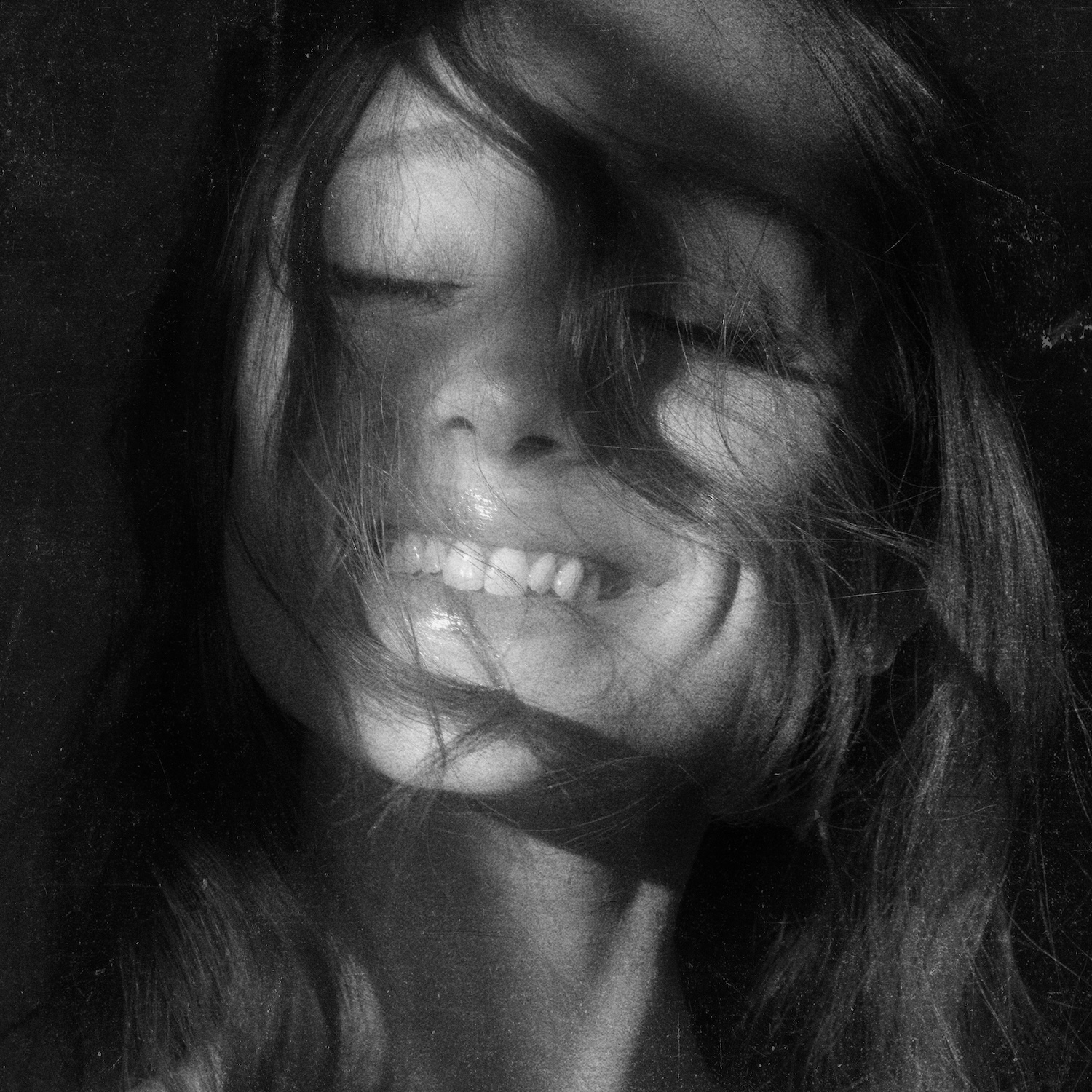
If there’s a way to listen to “The Outside” without sobbing, I have not yet discovered it. The four-minute opening track to Lost Weekend, the highly anticipated followup to Phoebe Bridgers' 2020 masterpiece Punisher, starts with a joke about death delivered through a vocoder before her true whispery lilts emerge. With her voice obscured in mechanical distortion, she recounts her father being carried away in a casket, and then herself being carried away in a crowd. The music flits between icy, isolated emptiness and soft, enchanting piano as she shifts in and out of dissociation. Punisher was full of moments that felt crushing, but not quite as brutally as this.
Punisher, released when she was 25, helped the now-31-year-old Los Angeles singer-songwriter break out of niche indie fame and into mainstream recognition. Its timely themes of isolation and sadness in the midst of the pandemic certainly played a part in its success, and the lush, quiet sound was a satisfying backdrop for her musings, which were carefully crafted to strike the perfect balance of heartbreaking and whimsical, a skill that many musicians have since tried and failed to emulate. Her tendency to reach for quips in the darkness often operates as a point of criticism for haters, but the first line of “The Outside” proves her devotion to humor: “Crying in a suit and tie/ But you should see the other guy.” It doesn’t prompt laughs — it’s a punch to the gut that deepens as she continues in the obscene, complicated portrait of the funeral, “One more time for old time’s sake/ I’ll watch him get carried away.”
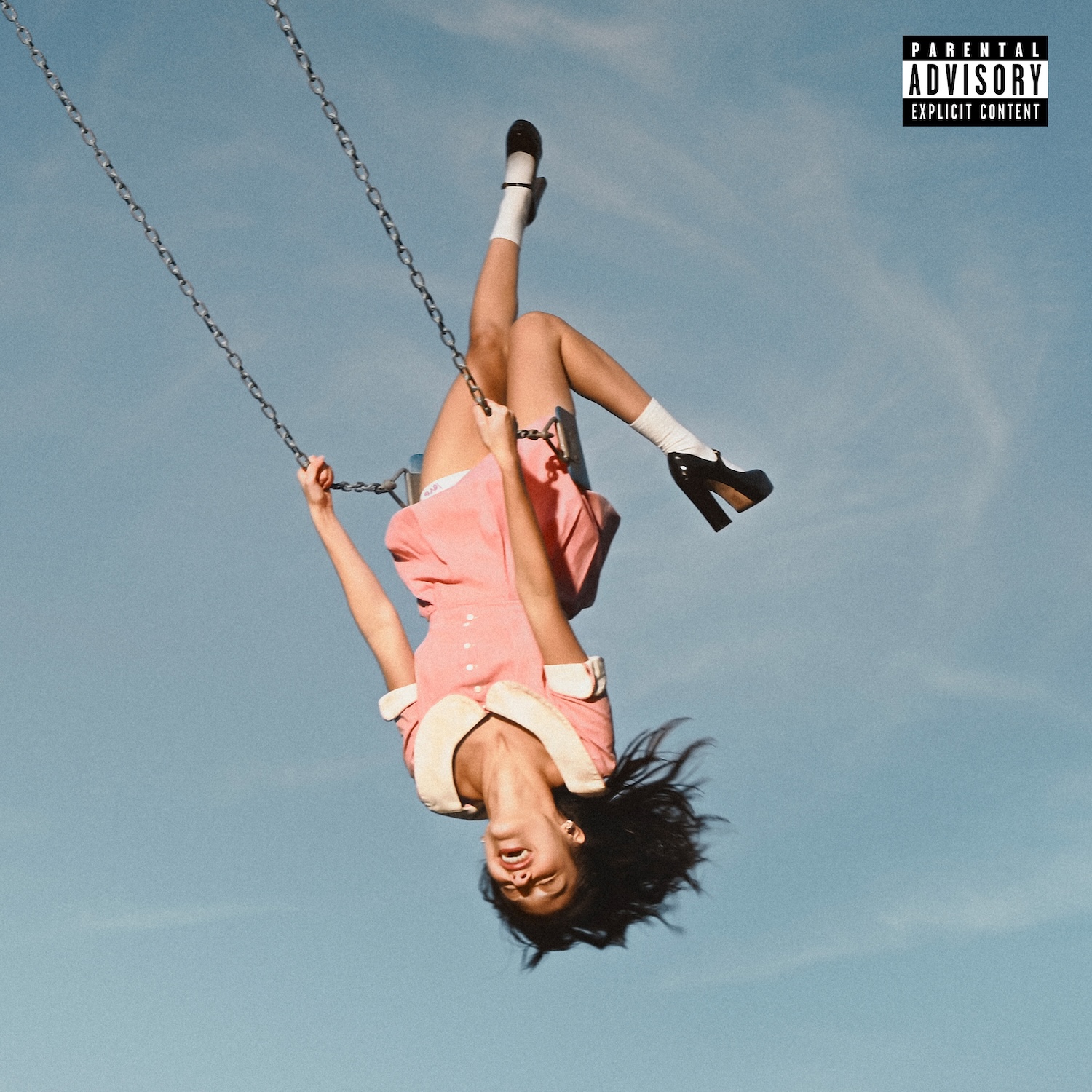
Lead single “Lost Boys,” Lost Weekend's only advance track, suggested an album similar to Punisher: a collection of canny, emotional vignettes, contained within acoustic landscapes adorned with synths that simulate the feeling of being underwater. But Lost Weekend is on another planet. Grappling with the death of her father and the blooming of her love with Bo Burnham, the songs are speckled with electronic elements that feel like an unexpected yet totally logical leap. More than that, there’s an inclination for bluegrass Americana textures that she explored briefly on the Punisher fairytale “Graceland Too.” This time, pedal steel, mandolin, and banjo blossom like flowers alongside her contemplations. A funereal organ turns some songs into dirges — a stark contrast to all the tracks that explode with folksy celebration. The remarkable title track, for instance, hums with a church organ while doing away with traditional song structures. Bridgers opts for nothing but one verse, an amalgamation of memories and stream-of-consciousness that yields to a burst of electronic chaos, buzzes cobbled together with breaths, zaps over a viola.
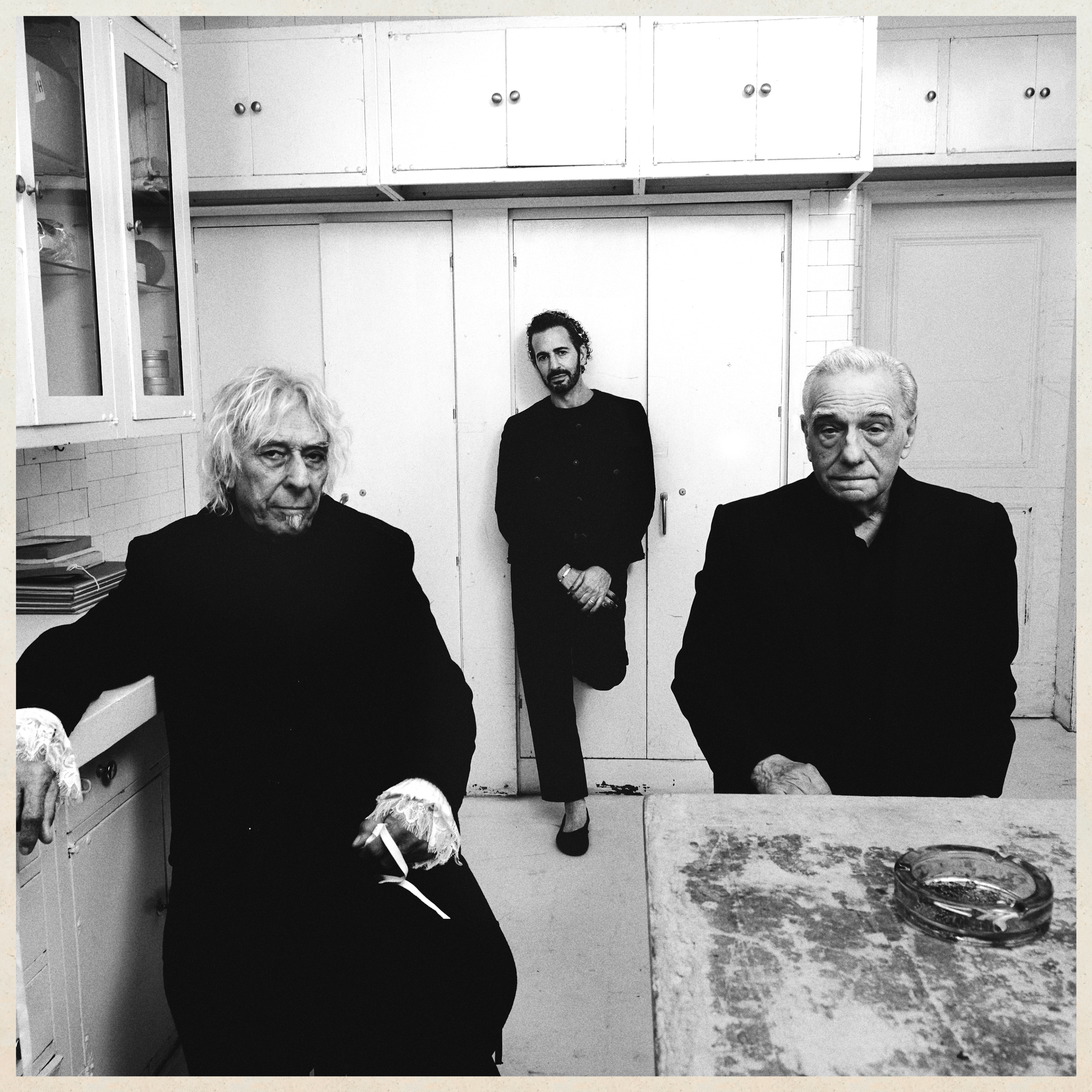
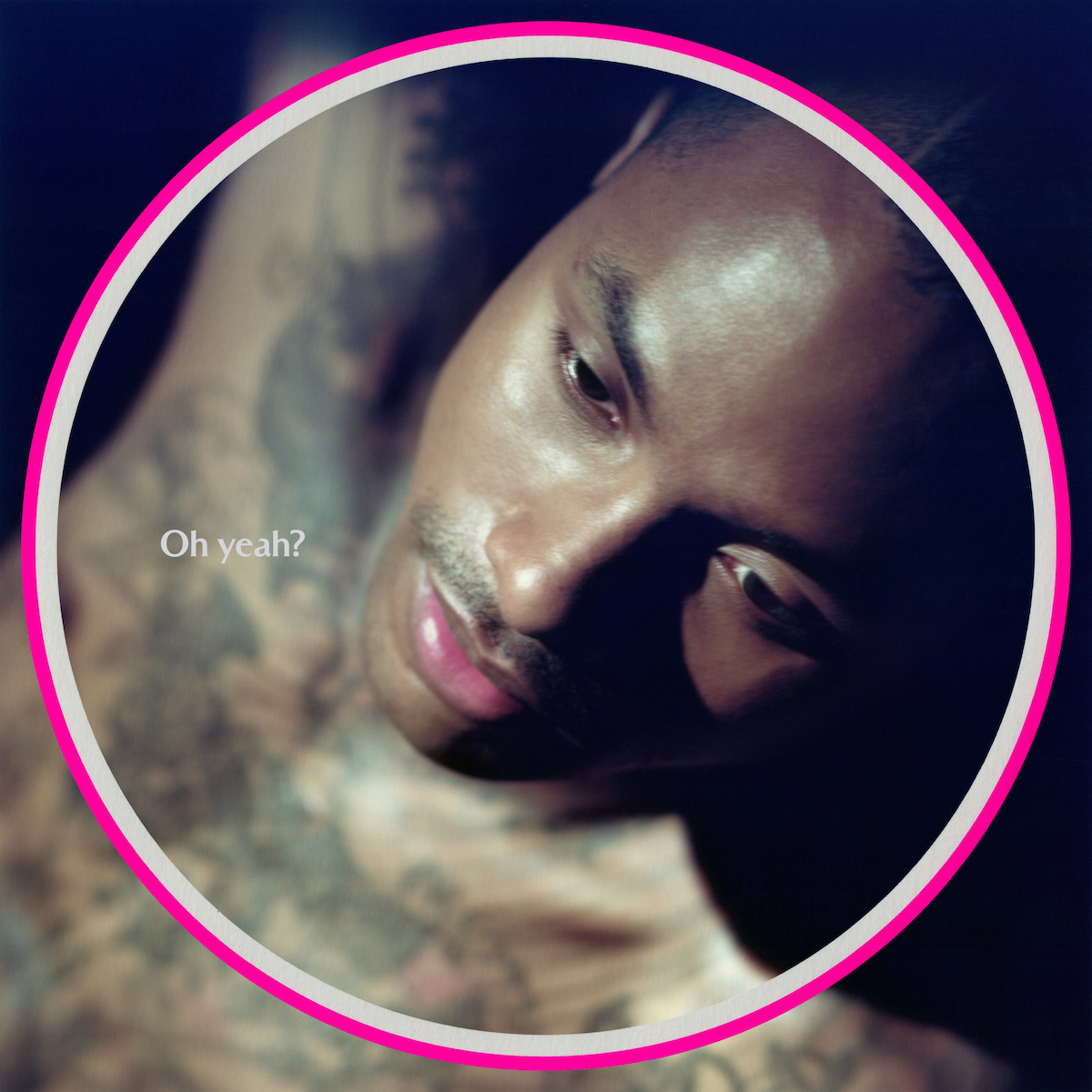
Even Lost Weekend's sparse, acoustic moments don’t bear much resemblance to its predecessor; Bridgers wields her voice more carefully and experimentally, sinking into unfamiliarly low octaves on “Kill Me” and wailing like she’s gasping for air on “As Above.” There’s too many collaborators involved for the album to be comparable to Punisher: Jack Antonoff, Alex G, Cameron Winter (under a pseudonym), Christian Lee Hutson, Maya Hawke, Julien Baker, Lucy Dacus, to name a few. Some extra-surprising contributors include metal figures like Jesu and Godflesh's Justin Broadrick. The songs are rich with instrumentation; even the synths are utilized differently, emitting off-kilter blips at odds with the Punisher world.
The eruptive clamor on “Bobby,” a love song in the true sense of the word, almost achieves the voluminous level of the deafening finale of Punisher’s “I Know The End”; it’s like she’s literally shouting her love from rooftops. The song’s muse, Bo Burnham, sings on it himself, along with plenty of their friends, because it wouldn’t be a real celebration without them. Some have complained about the number of people who’ve worked on Lost Weekend, as though too many collaborators might mute or mangle Bridgers' creative vision. But considering the feelings of loneliness communicated on Punisher, you can’t help but feel happy for Bridgers to be surrounded by friends and doing what she loves with them — especially when the result is so rewarding.
“The Governor’s Waltz” is the closest track to Punisher there is, but more importantly it feels like her most accurate attempt at an Elliott Smith imitation yet. Christian Lee Hutson mans the acoustic guitar with mesmeric strumming reminiscent of Smith’s classic Either/Or cut “Angeles.” Bridgers’ voice is wispy as cigarette smoke as she recalls parties and offers agonizing one-liners like, “You deserved better, you wanted me.” The most Smith-esque element, though, is the seething diss tucked in at the end toward her (former?) friend Gracie Abrams, who's now dating Bridgers' ex, Paul Mescal. But even that line ends up being more self-critical than anything.
The second half of Lost Weekend is collage-like, speckled with interludes, instrumentals (“Lost Parade”), and quick, vivid vignettes (“Panorama,” “Other Plans”). “Never Going Back!” is a quick, sea shanty-style tune that features a voicemail from her father. The finale, “Lost Weekend (Reprise),” is also brief, just a little over two minutes. Bridgers has a talent for creating sprawling atmospheres to wade through for around four minutes, but this short mode is compelling; there’s a ghostliness to its transience, how she builds an evocative scene with a few words and then immediately leaves, drifting off into the ether, leaving you wondering what happened.
The only option in the face of death or love or anything is to move forward. Lost Weekend confidently floats away from the comfortable, beautiful universe of Punisher, while also alluding to it with melodies and lyrics like winks. Lost Weekend refuses to abide by time at all; the bluegrass flair nostalgically invokes the spirit of the distant past, whereas the electronic aspects exude a futuristic aura. Death and love don’t play by the rules, and neither does Lost Weekend.
Lost Weekend is out now on Dead Oceans.