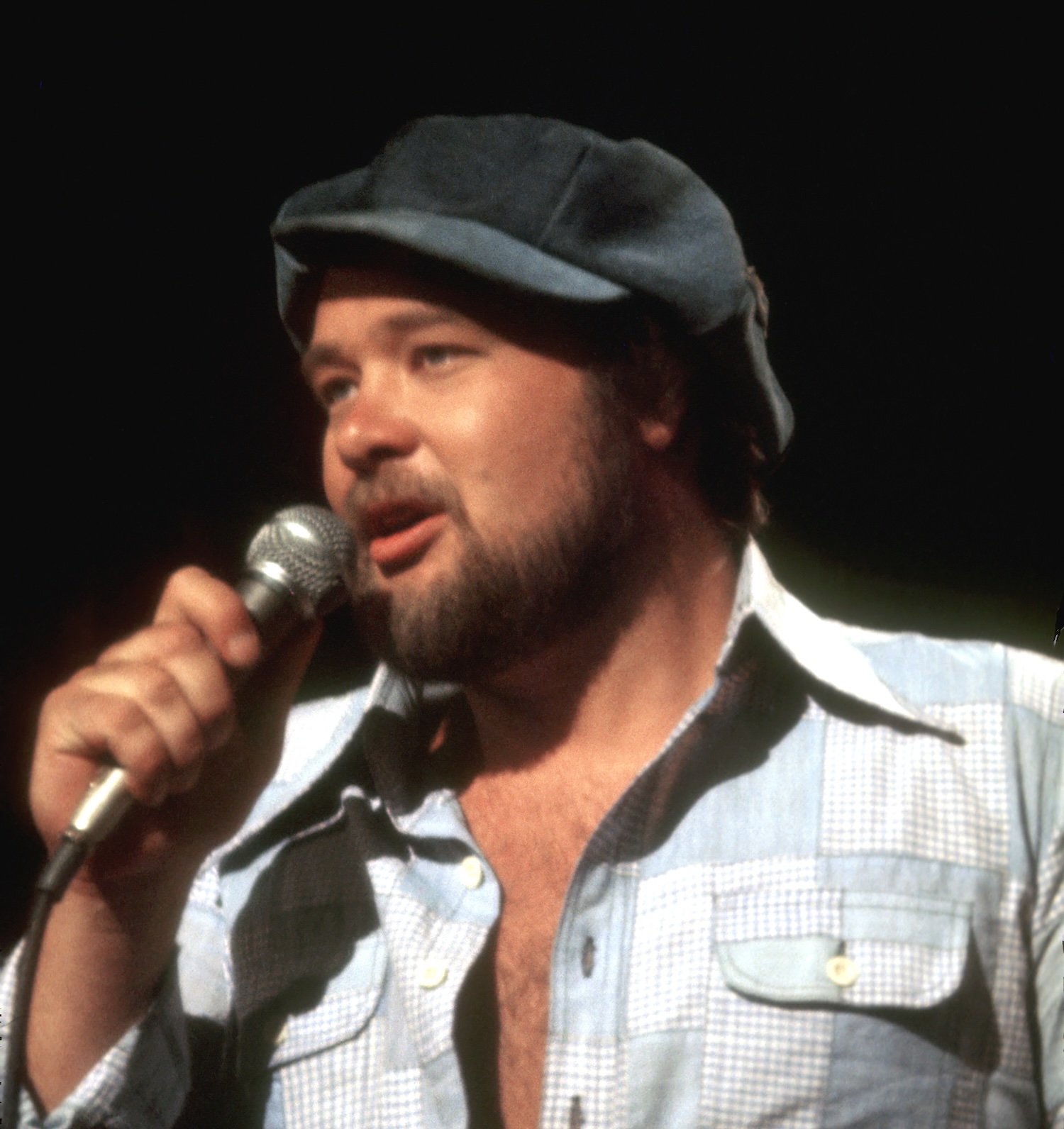
David Clayton-Thomas, lead singer for late-'60s hitmakers Blood, Sweat & Tears, has passed away. The CBC reports that Clayton-Thomas died on Wednesday at St. Michael's hospital in Toronto. No cause of death has been reported. Clayton-Thomas was 84.
Clayton-Thomas, the son of a British musician mother and a Canadian serviceman father, was born David Henry Thomsett in the English town of Kingston, but he grew up in Toronto. His upbringing was rough. Clayton-Thomas' father, who worked as a police officer, was abusive. Clayton-Thomas dropped out of school and left home as a teenager. He lived on the street and did serious time for crimes like car theft and vagrancy. In jail, he taught himself to play guitar.
At 21, Clayton-Thomas changed his name and became a regular in Toronto's Yonge Street music scene, sitting in with the Hawks and singing for bands like the Shays and the Bossmen. In 1966, he moved to the US without a work visa, and he met Blood, Sweat & Tears through the folk singer Judy Collins. Frontman Al Kooper had left the soulful jazz-rock band BS&T after the commercial failure of their 1967 debut album Child Is Father To The Man, and Clayton-Thomas' barrel-chested bellow turned out to be a good fit, so he became their new lead singer.
Blood, Sweat & Tears' self-titled 1968 album turned out to be one of the biggest sellers of its era, and it won the Grammy for Album Of The Year over Abbey Road, Crosby, Stills & Nash, and Johnny Cash At San Quentin. The band played Woodstock and scored a series of chart hits. Their covers of Brenda Holloway's "You've Made Me So Very Happy" and Laura Nyro's "And When I Die" both reached #2 on the Billboard Hot 100. Today, though, the band is probably best-known for "Spinning Wheel," another #2 hit. That song was an original, and Clayton-Thomas wrote it.
Blood, Sweat & Tears were a musical product of the late='60s counterculture, but they operated more as a commercial pop unit. In 1970, they went on a tour of Communist Eastern Europe that was sponsored by Nixon's State Department. Later on, the band claimed that the State Department "blackmailed" them into the tour, threatening to deport Clayton-Thomas if they didn't do it. It might've killed their credibility. Their next few records didn't sell anywhere near as well.
In 1972, David Clayton-Thomas quit Blood, Sweat & Tears, and he released a few solo albums before rejoining the band five years later. He continued to tour the oldies circuit with different versions of BS&T for decades, and he released a number of independent solo albums later in life.
Check out some of Clayton-Thomas' work below.