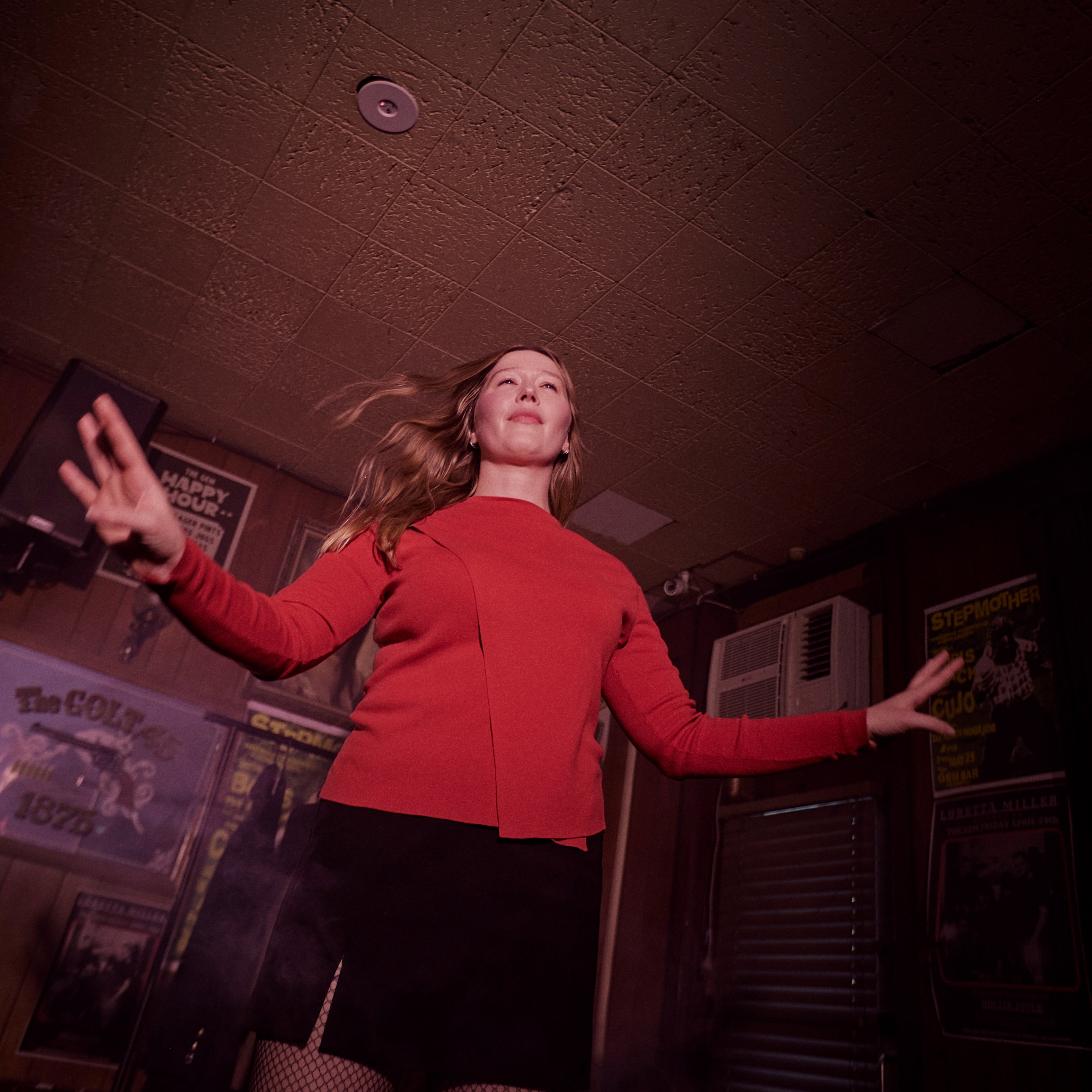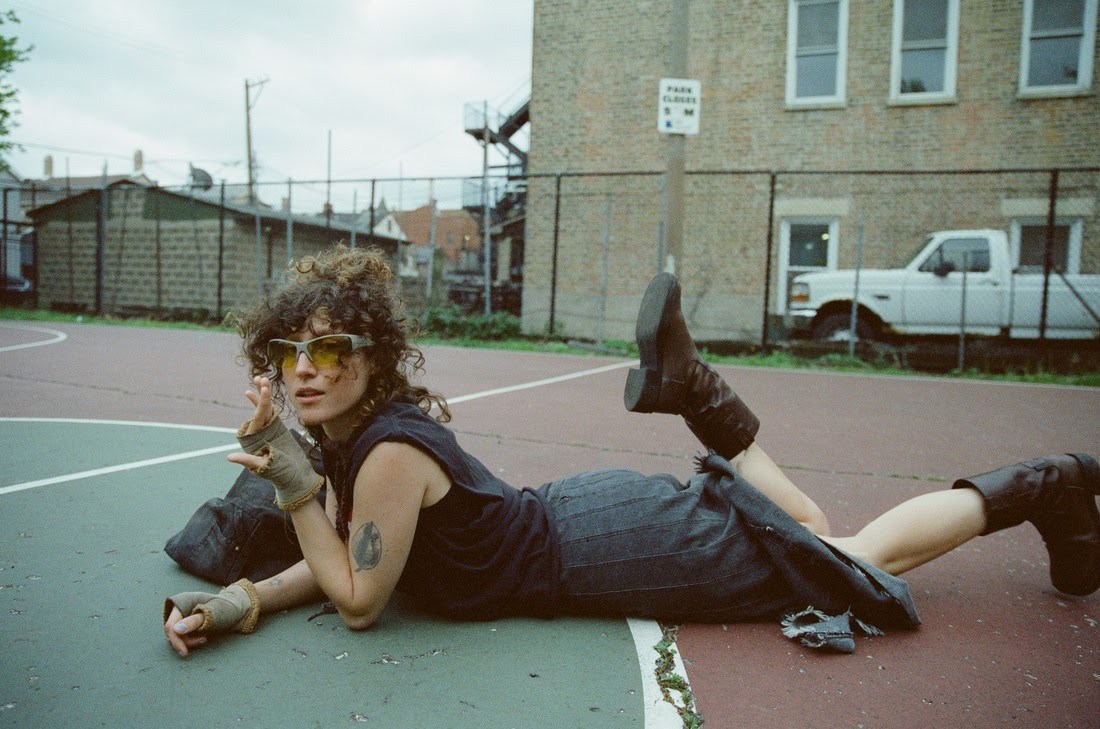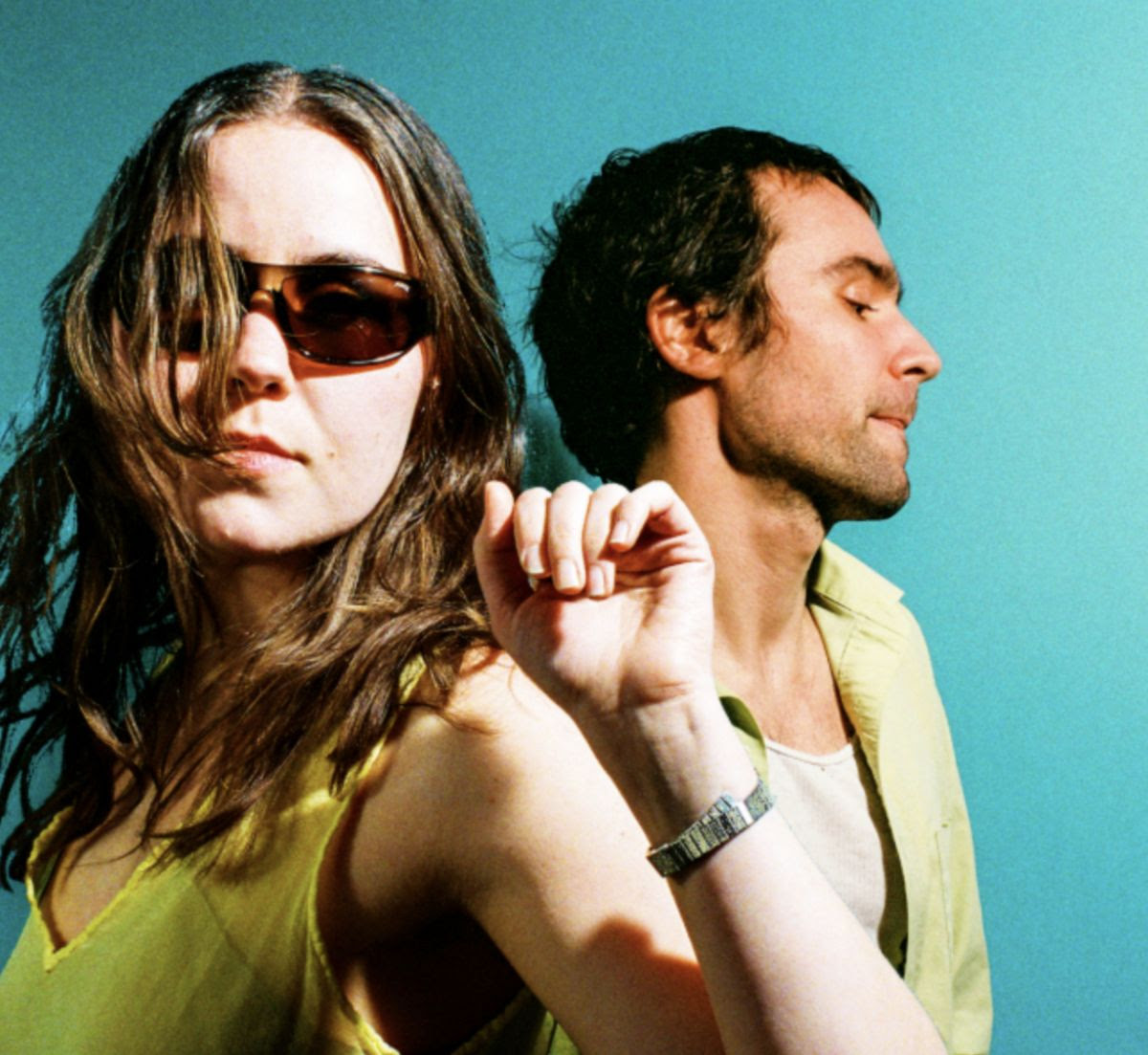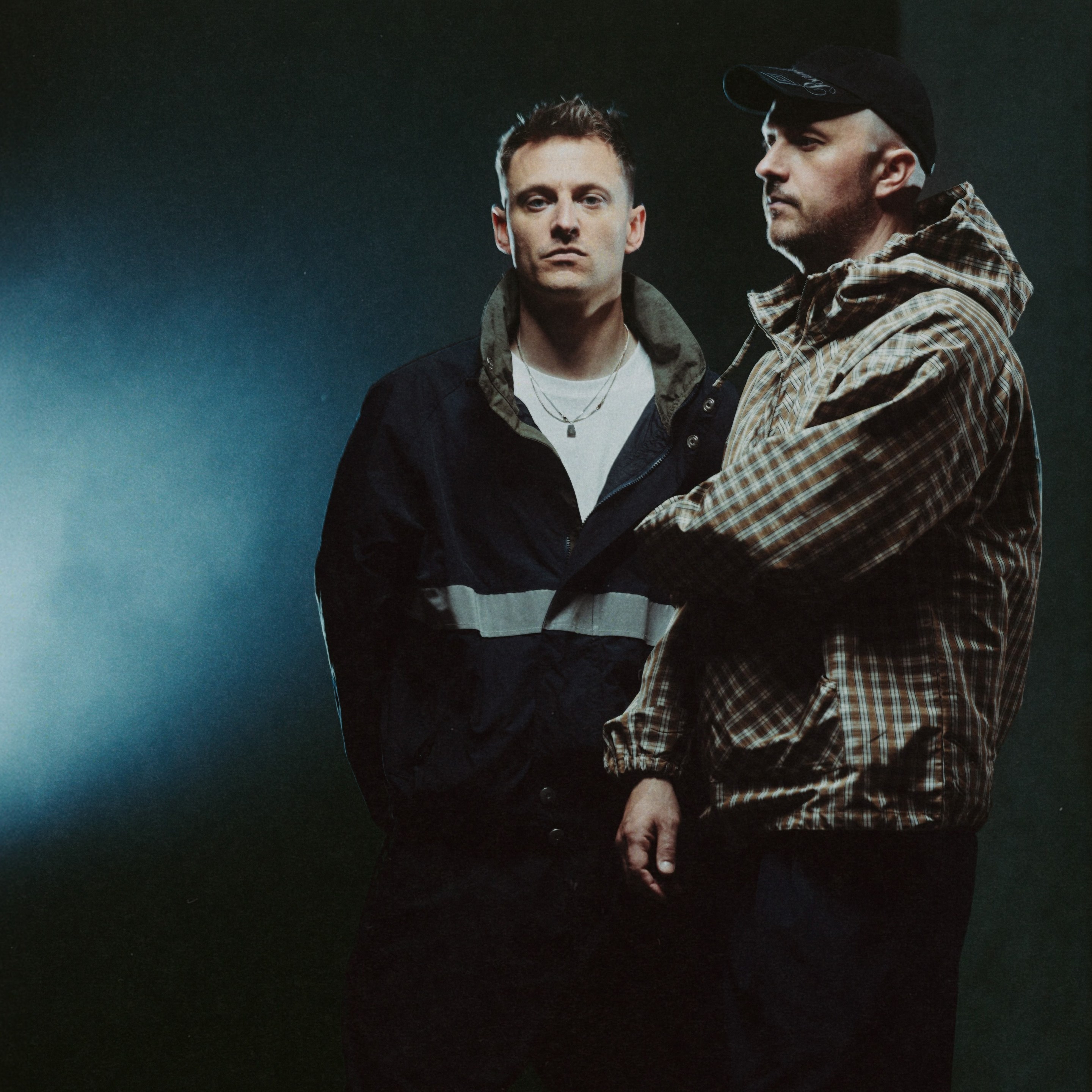

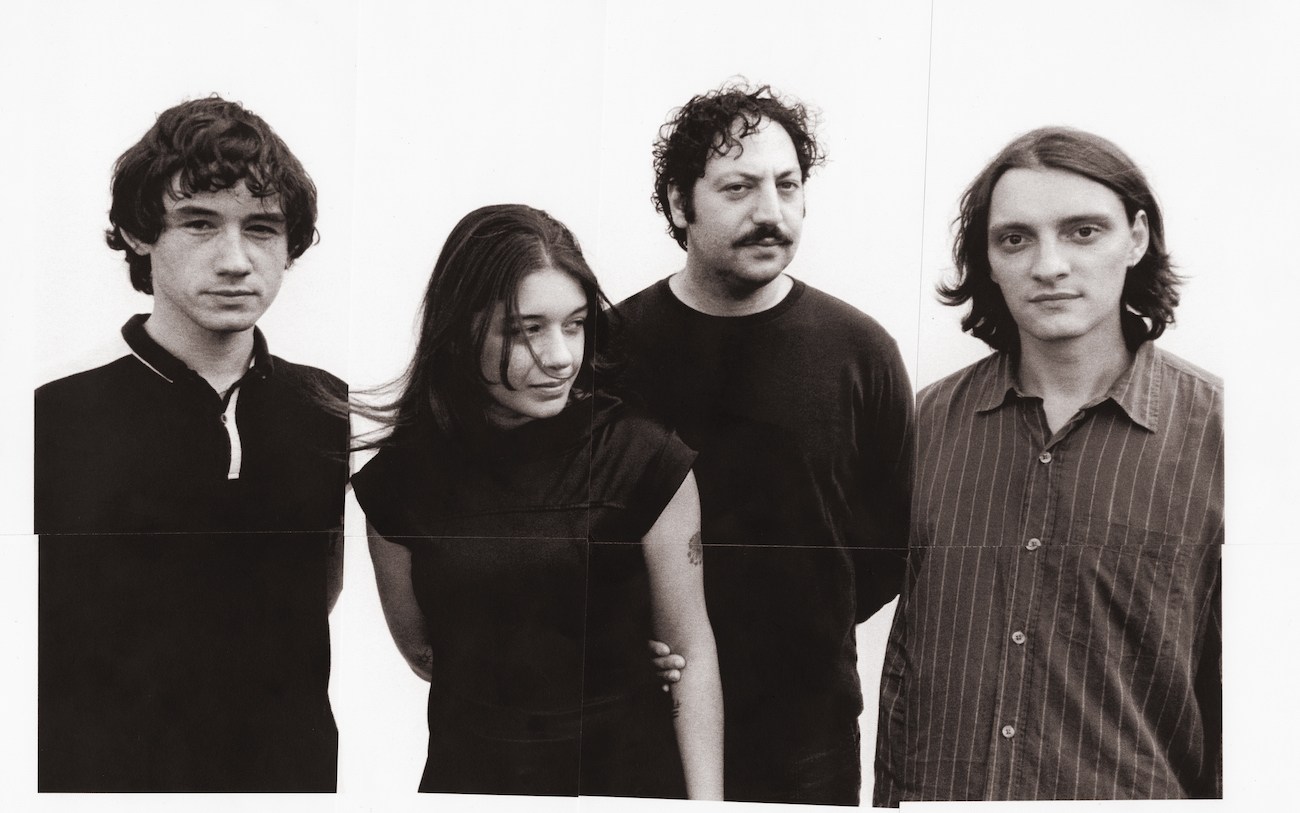
When they popped up a few years back with a pair of accomplished EPs, Starcleaner Reunion were an alluring, disorienting proposition. The band name alone raised questions: Reunion, you say? What exactly is a starcleaner? The surreal cartoons that graced their records gave the band a distinctive visual language. And then there was the music itself, startlingly sophisticated post-Stereolab Euro chic somehow emerging from suburban New Jersey. It was as though this band was dislodged from time and space, and we were getting to listen in on their hi-fi transmissions from just slightly outside our common reality.
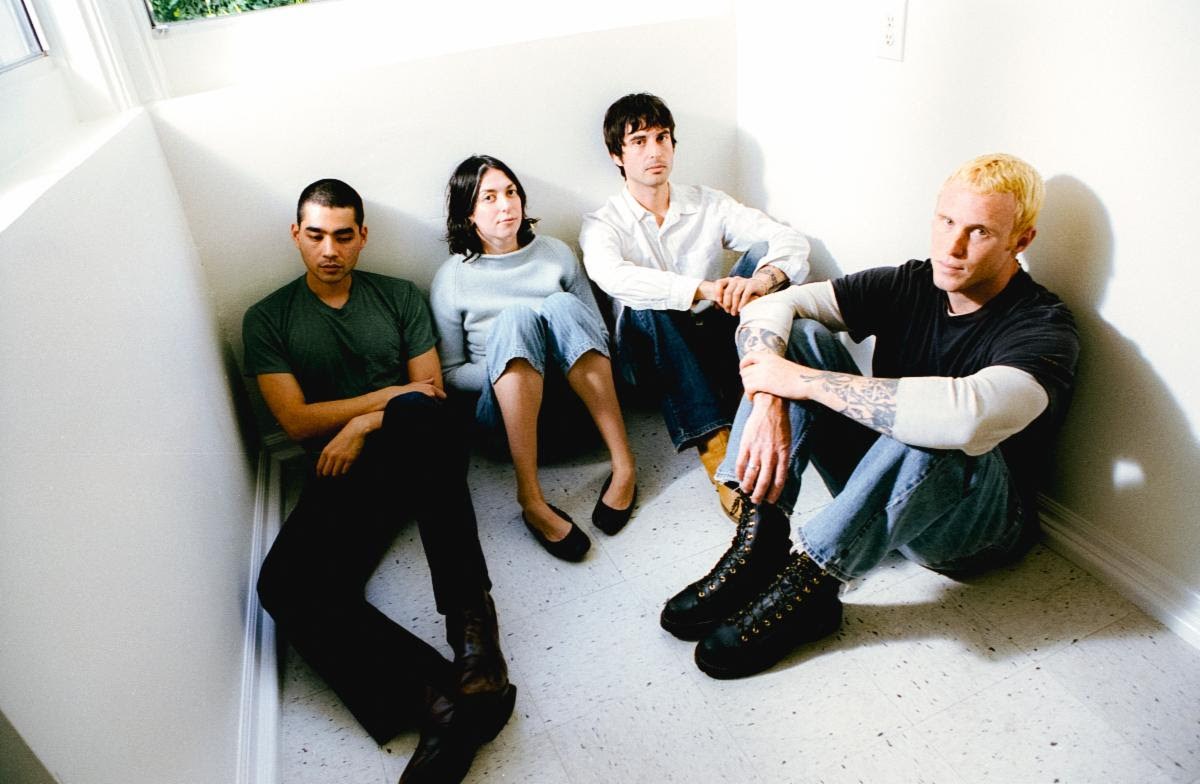
But Starcleaner Reunion aren't aliens or time travelers. They're longtime friends who spent their adolescence bonding over music, trading records and forming bands in various configurations. In 2022, those years of camaraderie finally led to the alignment of vocalist and tambourine player Jo Roman, bassist Adam Kenter, and guitarists Pat Drummond and Neil Torman, this band's core foursome. Now based in NYC, the old pals have spent the two years since their breakout Café Life EP crafting a masterful debut album.
Umbrella, out today, is an eclectic joyride through the late 20th century's most stylish sounds, revived and reconfigured by zillennials for whom the pre-internet underground represents an edenic ideal. Starcleaner Reunion built these tracks without worrying about how to replicate them live, which led to lush arrangements full of surprise twists and turns. Guitar and keyboard textures abound, accented with banjo, brass, and even the "manta ray," a friend's bespoke aluminum cello.
Roman's dreamy melodies beckon listeners into the grooves. All throughout Umbrella, she paints scenes and feelings onto the music with a rare balance of unguarded intimacy and untouchable charisma. "Can you see the sound? Can you feel my voice?" she intones on "Never Odd Or Even," just before the motorik backbeat shifts gears into jazzy half-time reverie. The response can only be affirmative.
I found Umbrella entrancing from the first listen, and my appreciation only deepened after speaking to all four members of Starcleaner Reunion on a recent video call. Below, stream the album and dive into our conversation.
Your band is named after a children's book. How did you find out about it? Did one of you have it as a child?
NEIL TORMAN: No, none of us had it as a child. I came across it years ago at this point, right before the band started. I wasn't familiar with it. In fact, I didn't even really read it at first. I just saw the cover, and something about the cover and the words — it was just one of those moments of, "This clicks in a cool way." It was just one of many options for a band name, and then it ended up being the one that we picked.
Is there anything else to say about why it clicked or what appealed to you about it?
TORMAN: It just sounded like it had a good ring to it. The name was the most important thing. But then also, the context of the art is very much something in our wheelhouse. It's this soft, hand-drawn, sort of sketchy, really cute vibe. It was something that was the whole package that we resonated with. Like I said, we didn't really read the book at first. It wasn't until we found another copy of it, or somebody gave us a copy.
JO ROMAN: Yeah, someone gave us a copy of one of our shows signed by the artist, which was a really sweet gift. It was really nice.
TORMAN: It's just this one guy, and the book is quite old. I think it's from the ’70s. He did everything himself, like he had his own little publishing situation. He drew it, wrote it, everything.
I know that you all met in high school, but can we put some meat on that? What's the origin story?
TORMAN: Origin story is just that our town is really small, so anybody who was interested in music like y'all, we sort of knew of each other. It wasn't like this huge anonymous high school where you just see people every day, which I didn't even know existed until I heard other people talking about it. For us, you knew everyone because the class was so small. It was 100 something kids per grade. We knew of each other, and then at various times staggered into each other's lives musically. Pat, Adam, and I were in a band in high school. Then me, Jo, and Adam were in a band after that, with a lot of variations in between. But then Pat came back from school, and that's that. We just sort of made a supergroup.
ROMAN: Yeah, I met Adam in marching band in 2012, then I met Neil in 2015 after we needed a guitarist for Adam and I’s little band. It was me, Adam, and two other friends, me and another guitarist, so we called Neil in. And then I met Pat in physics class. I think it was 2016.
ADAM KENTER: Yeah, none of us were in the same grade. So we were all in high school at the same time only once.
TORMAN: Only for one year.
KENTER: I met Neil because I was in a band with him with my brother, because my brother was dating one of Neil's friends.
TORMAN: Oh yeah, we actually have never touched on that deep lore in an interview before.
This is Springfield, New Jersey. Was there a place where kids like you guys who liked cool music would hang out?
KENTER: The 7/11 parking lot.
ROMAN: I guess when we went to shows as kids, I was going to the Meat Locker a lot in Montclair. That was the venue that we would all go see shows at or play at with our different projects that we had.
TORMAN: Yeah, but that wasn't until we graduated from high school. Then we were going to a lot of New Brunswick basement shows. That was the stomping ground for us. The Meat Locker in particular is a funny place that we all cut our teeth at. It's a little different now, but it used to be just a total wild west where anything and anyone could play, which is awesome for teenagers.
Your sound has gotten a lot more lush and sophisticated, but even from the first EP you had like this very distinctive palette of influences. How did you conceive of the vision for, “This is what Starcleaner Reunion is gonna be. This is the kind of music we're gonna make.”
KENTER: When we first met Jo in high school, she showed all of us Stereolab. It blew all of our minds and helped shape our taste now. They're probably one of the first bands that I discovered as a youth that stuck with me. In high school, I was finding all these bands and not sticking with any of them, just trying to figure out what I liked.
ROMAN: And to bounce off of that, the four of us were always sharing what we found in terms of music, or being like, “You gotta listen to this.” We've all always liked the same amount of stuff in the same bundle for years. That helped shape the sound we have now. ’Cause it was always something in discussion, always something that was shared.
TORMAN: Since we've known each other since those formative years, there was just so much discovery happening, both musically and personally, of course, and otherwise. It's all happening, we're all experiencing that together, so it created this special glue where we all influenced each other. And the Starcleaner sound specifically, to be totally honest, it's not super different than what we have always done. Since high school, even in our really old bands when we were teenagers, we still had a similar vibe. It's a progression of like this path in the middle. Like Adam said, we figured out what we resonate with or what we are drawn to fairly early in our lives, and we have been stuck on that path — not stuck in a negative way, but just in an altruistic way or whatever.
It feels very Gen X.
TORMAN: What makes you say that?
I don't know, a lot of the stuff like C86 and Stereolab and all that, if you were a cool Gen X-er, it’s the kind of thing that you'd be listening to growing up. I'm the oldest possible millennial, so I'm not speaking from total authority; I'm just speculating here.
TORMAN: Yeah, we love that stuff.
ROMAN: We love that shit!
TORMAN: When you look back at — well, actually, I can't say that. I was gonna say it feels like music sort of peaked.
PAT DRUMMOND: That's exactly what I was about to say. Not that music peaked, but indie rock as a culture had such like a moment there, when it was college radio and zines and all that stuff. You meet someone and you hand them like a mix CD.
KENTER: It peaked in the late ’60s. [Group laughs.]
TORMAN: There was such a special melting pot of energy and culture at that around that time, where people were creative and blending things and pushing things. And since then, it's been more diluted, I guess. I don't know. This is also having not been alive at that time. Rose-colored glasses, I'm sure, but that's how it feels anyway. That's how the music feels.
Yeah, it makes sense. I feel like a lot of my favorite quote-unquote indie bands now, they take their primary inspiration from before the year 2000. I think a lot of people are trying to get back to this sort of pure time, whether it's real or imagined.
TORMAN: That's the other thing, too, the pre-internet — it was kind of like the last bastion of pre-internet culture, pre-internet music.
Like I said, the music obviously has evolved a lot in terms of what you're able to do on record. How did you guys learn to translate the sounds in your head? Like, did you have mentors in recording prowess, or is that just something that you had to hack away at on your own?
TORMAN: It's just trial and error, really. It's also training your ear because there's certain things that you can learn only by, that you can't really be taught. Everybody has their own personal feeling of what sounds good or what good tone is or whatever. You have to learn that by listening and then flowing it through your brain. So there's a lot of trial and error over years and years and years, making it less of a black box and knowing how to get what you're after, how to achieve certain things.
KENTER: It also helps digging through old forums and trying to see what gear other bands use, other microphones or preamps. Or you look up what some band used in the ’60s, and you're like, “Oh, I want that sound,” and then you find out it's like $10,000. And you’re like, “OK, what's the cheapest way to get that sound?” You follow that rabbit hole.
TORMAN: It’s about finding ways to get somewhere without monetary barrier — doing things pretty cheap, which made it come out more interesting.
DRUMMOND: On this one, too, we didn't have to rush it like we did for pretty much everything else we put out. Everything else was from recording to mixed and mastered in maybe three months. So if something didn't sound like how we wanted it to, we're just like, “All right, too bad. We have to live with it.” Whereas with this, we got to really tinker with the songs.
I was going to say, you seem like a band that really appreciates gear. Were there any instruments or pieces of equipment that felt especially important to creating the sound of the album? Or is that top secret proprietary information?
ROMAN: Whoa.
KENTER: You have to wire us money.
TORMAN: There wasn't any one particular thing because each song had its own little special feature of an instrument. The most played auxiliary instrument was maybe the banjo. For some reason, I was just really into the banjo, but not in a country way at all, just in terms of texture. I was putting banjo on a lot of stuff.
Yeah, I was surprised to hear the banjo on there. It works, but it definitely was not something I expected. Where did that come from?
KENTER: We borrowed it from our friend Drew. He got it as a gift from his friend. It's from Adrian? Or Jules maybe got it for him?
TORMAN: We played a show at a couple of years ago. We stayed at our friend's house in Rhode Island, at Betsy's house with Asher White and stuff. And they had a banjo in the living room, and I just started playing it. Because I was like, “Oh, I've never played a banjo before.” It was pretty inspiring. We really like the Beach Boys and High Lamas and stuff, and they have a lot of that…
ROMAN: Yeah, the High Lamas is one of my favorite bands ever.
TORMAN: Yeah, and they do a lot of banjo-y stuff, and I just think the texture is really cool. Cause it is just like a guitar, like you play it in a similar way, but it has this whole other percussive element that I thought was really cool, especially when applied to music that feels like it has nothing to do with banjo. I just thought it was a fresh thing.
Right, because the music seems so metropolitan, and you think about the banjo as so rustic. It is a surprise texture.
ROMAN: We were just excited to do a lot of texture play with a lot of these songs. It's fun to experiment with. I’m trying to think of another song. “Docking In Oslo,” we kept in a door shutting in the back, and I put a microphone up to a candle for a lot of the base of the track, so that gives an organic kind of feel to it. I don't know, just trying different things.
Yeah, get your sounds from unconventional places.
TORMAN: It’s really just to keep things fresh for us. We're always chasing the dopamine of being like, “Yo, that was sick,” especially because some of the songs on the record were a bit old. Not that we were bored of them or anything, but when we finally sat down to record them after having played them already for a pretty long time, we wanted to revitalize it a little bit for ourselves — adding an extra layer of something that wasn't there previously or wasn't incorporated into it when we were playing it outside of a studio. We just freshened things up and made it more fun.
ROMAN: Yeah, time to zhuzh it up. Did you guys want to talk about the instrument that your friend made, the harp? What was it called again?
TORMAN: She calls it the aluminum cello. Or the manta ray because it kind of looks like a manta ray. Yeah, that’s sort of the most eccentric or singular instrument on the record. It's just our friend who, for her college thesis — I think she went to school for composition or something — but her thesis project was building her own instrument. She took this huge piece of sheet metal that's probably six feet wide. It's bent, like in a curved way. And in the center is a singular string of a cello, and she bows it like a cello just on the one string. And then there's a contact mic on the back. It's this really crazy kind of atonal thing. I met her a couple of years ago through our friend Lena. It shaped something in a way where it's like we weren't even looking for that, specifically, because we didn't even know it existed. But when we saw it we were like, “Oh, this could be perfect" because we went to see her live.
That's cool. What's her name?
ROMAN: Tallulah Calderwood.
On “Theme,” Jo, you sing, “This is my favorite song.” Is it your favorite song?
ROMAN: When I came up with those lyrics, I imagined the guitar like [sings the guitar part] kind of as a jingle in my head. I always imagine it as a jingle that would play on the radio. So I made the song about when you're listening to the radio and you hear a jingle. It's like, “Oh, that's my favorite song to keep playing,” you know what I mean? The song is about listening to your favorite song on the radio, but I also consider it our jingle.
On a meta level, it is kind of the theme for Starcleaner Reunion.
KENTER: Yeah, initially we were going to try to do a Sgt. Pepper-like reprise at the end of the album, and somehow play that one melody somewhere else in the album, but it didn't fit.
Yeah, I'm trying to imagine where it would go, and it's true, the tracklist at the end there has a certain flow to it. It doesn't really lend itself to that.
KENTER: Maybe we could do the melody again on the next release.
TORMAN: That'd be sick.
ROMAN: I like when bands do that. I feel like Stereolab did that throughout their albums. They would just reintroduce a melody from an older song into a newer song. I'm like, “Whoa, recycle that.”
Why did you decide to sing “Pasillo Piso” in Spanish?
ROMAN: It naturally came to me melodically. I usually come up with lyrics at the end, and I come up with melody first. So when I was coming up with a melody for this song, I was like, “My Spanish words would fit into it better.” It rarely happens because we only have one other song that's in Spanish, “Que Dices” from our older EP. But just randomly I'm like, “I think I have to say this in Spanish, and it'll fit just right.”
Are you a native speaker?
ROMAN: Mmhm. So sometimes I like experimenting with a different language, and it just comes out. It just fit right. Sometimes I'll start singing in Spanish a little bit, and the boys are like, “Wait, that sounds kind of sick actually. Can you keep doing that?” And then I'll start building it a bit more.
KENTER: It's interesting how it really does change the melody.
ROMAN: It's a mental thing. With that song, I was like, “With the melody the Spanish would just fit better.”
KENTER: It's more fluid. Because English can be kind of hard.
On “Weather Instrument” you have Gary Olson from the Ladybug Transistor playing trumpet. How did that connection come about?
KENTER: We met him through Lightheaded, which is our friends from New Jersey. Jo and I recorded on a couple of Lightheaded songs from the last album, and that was done in Gary's basement studio. That's how we initially met him.
ROMAN: It was an amazing experience.
KENTER: Yeah, but he kept popping up, so it was in our heads to throw him on the track. And we love Ladybug Transistor, so it was really exciting to have him on a song.
ROMAN: We're huge fans.
On “Eating The Alphabet,” you sing about flying to see someone. I love the relatable detail, “I hope the sky’s not gray.” Or on “Tea Drops Park,” you've got these lines about watching TV and doing crossword puzzles. The music is so dreamy and otherworldly to some extent, that it's interesting to see where real life comes crashing into the songs.
ROMAN: Like I said, a lot of my lyrics are based off of personal experiences and sometimes dreams that I have. I do write down my dreams a lot, so I'll pull from specific things from dreams. They can be abstract or about people that I haven't thought about in a long time. “Eating The Alphabet” is about yearning and like not being able to be with someone for a long time as expected. You only have a small amount of time to be with that person until the next time comes around, which you never know when that can be. But it's a made-up narrative that just fit with the feeling of the song.
So it wasn't based on a true story of long-distance romance?
ROMAN: It was just a little story that I wrote up. But I'm a romantic, and I am a dreamer, so I feel like it fit. My follow-up about whether the sky actually was gray: It's up to your discretion.
You guys created the album without worrying about how it was gonna translate live. Now that it exists and you're performing these songs, how are you approaching that?
TORMAN: We brought in our good friend who was actually in a band with me, Adam, and Jo pre-Starcleaner, our friend Drew. He's not a permanent fixture. He's not playing every show with us. But we have him playing two or three keyboards and then a sampler.
ROMAN: SP-404, clarinet, falsetto vocals, shaker…
KENTER: And guitar. We have him in the most insane spaceship auxiliary position.
TORMAN: We got him on the cowbell. He looks like one of those one-man bands. Like a “Chitty Chitty Bang Bang” type character or something.
KENTER: He's not gonna be with us every show, but that's been really cool to hear because he's brought a lot of the production stuff to life for the first time. Otherwise, we're just playing them as straight as we can with who we have, which is normally just the four of us plus a drummer.
ROMAN: Eventually, I would want to incorporate maybe using sampling. But it's hard because a lot of people like when I play the tambourine, so I can't really play the tambourine and be doing too much.
KENTER: Yeah, Jo’s the only one who has hands free. So outside of Drew, she's the only one who could theoretically trigger some of this stuff.
ROMAN: But then I'd have to leave the tambourine behind [laughs].
KENTER: Which is not possible because people love it. It's become a spaceship of all these different things to incorporate now. But no regrets on the album front. We're doing the best we can. It'll always exist in record form.
Have you guys started working on any more music since you finished the album?
ROMAN: We've jammed a little bit here and there. We wrote a couple of songs recently, just a little.
KENTER: We're demoing some ideas in my basement.
ROMAN: Yeah, we came up with a lot of stuff.
DRUMMOND: I don't know if we can share this about the single we recorded. We do have another special bonus song that's not on the record that will be out by the end of the year.
Can you tell me anything more about what's special about it?
KENTER: Well, we wrote it and recorded it within two weeks.
TORMAN: We wrote it specifically for this compilation that we were asked to do that I think will come out in October. So it's the after-credits scene for the record, the cliffhanger for the sequel.
TOUR DATES:
09/26 - Philadelphia, PA @ Minimart
11/07 - Queens, NY @ TV Eye
Umbrella is out now via Take Care Records.