
I've been smitten since "Monday."
It was a Wednesday, actually, when Jawdropped released the world's first preview from their debut album back in May. They hadn't yet announced Secret To Spare, but the song had big lead single energy all the same.
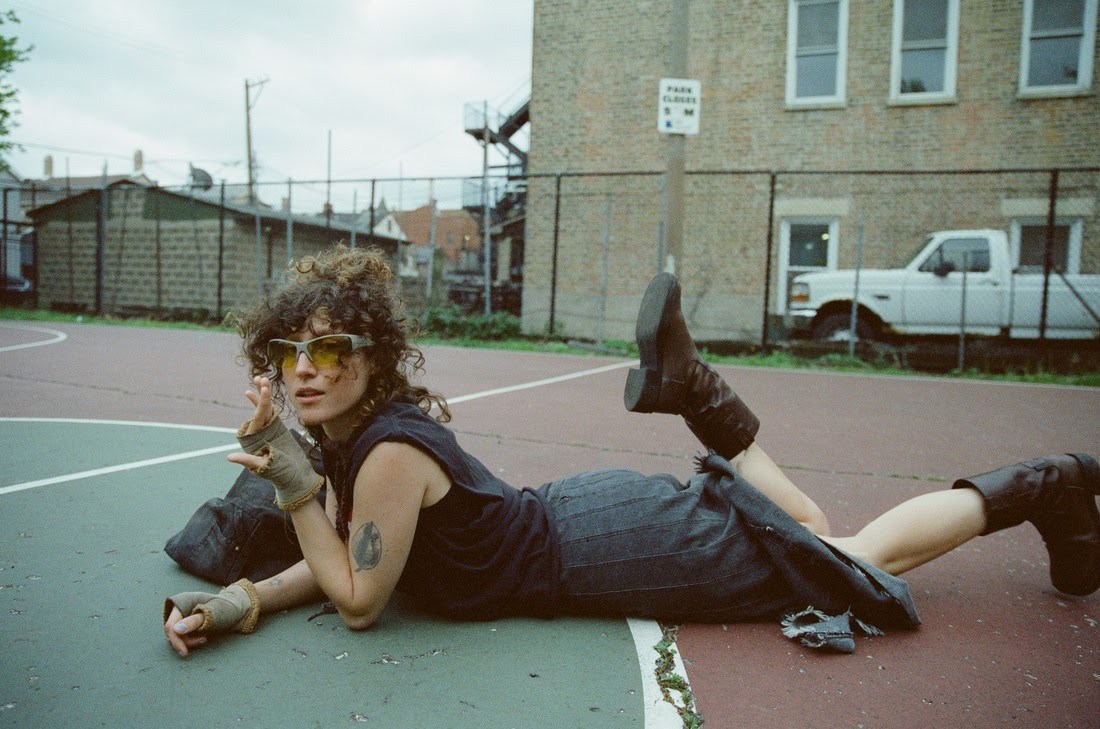
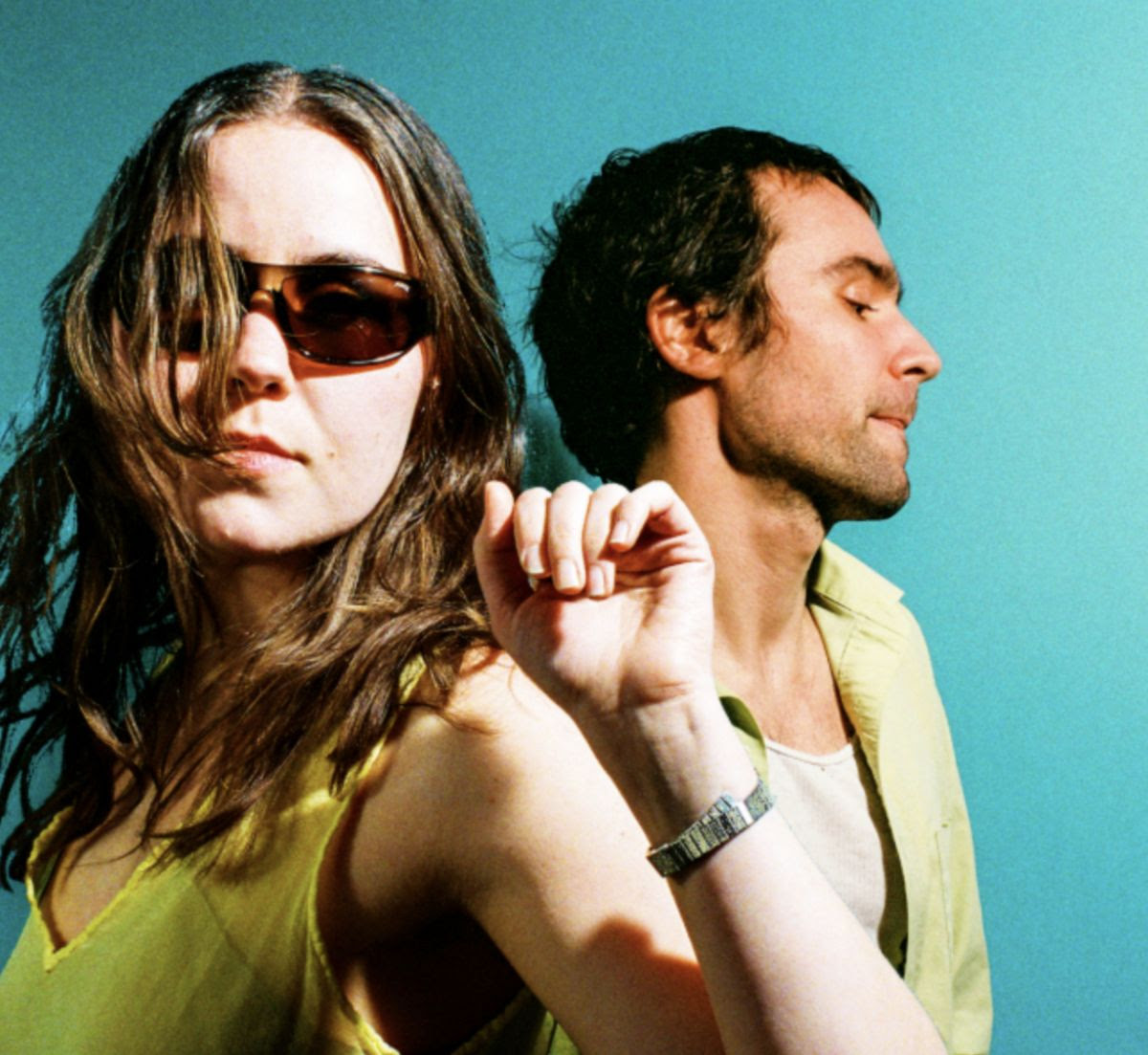
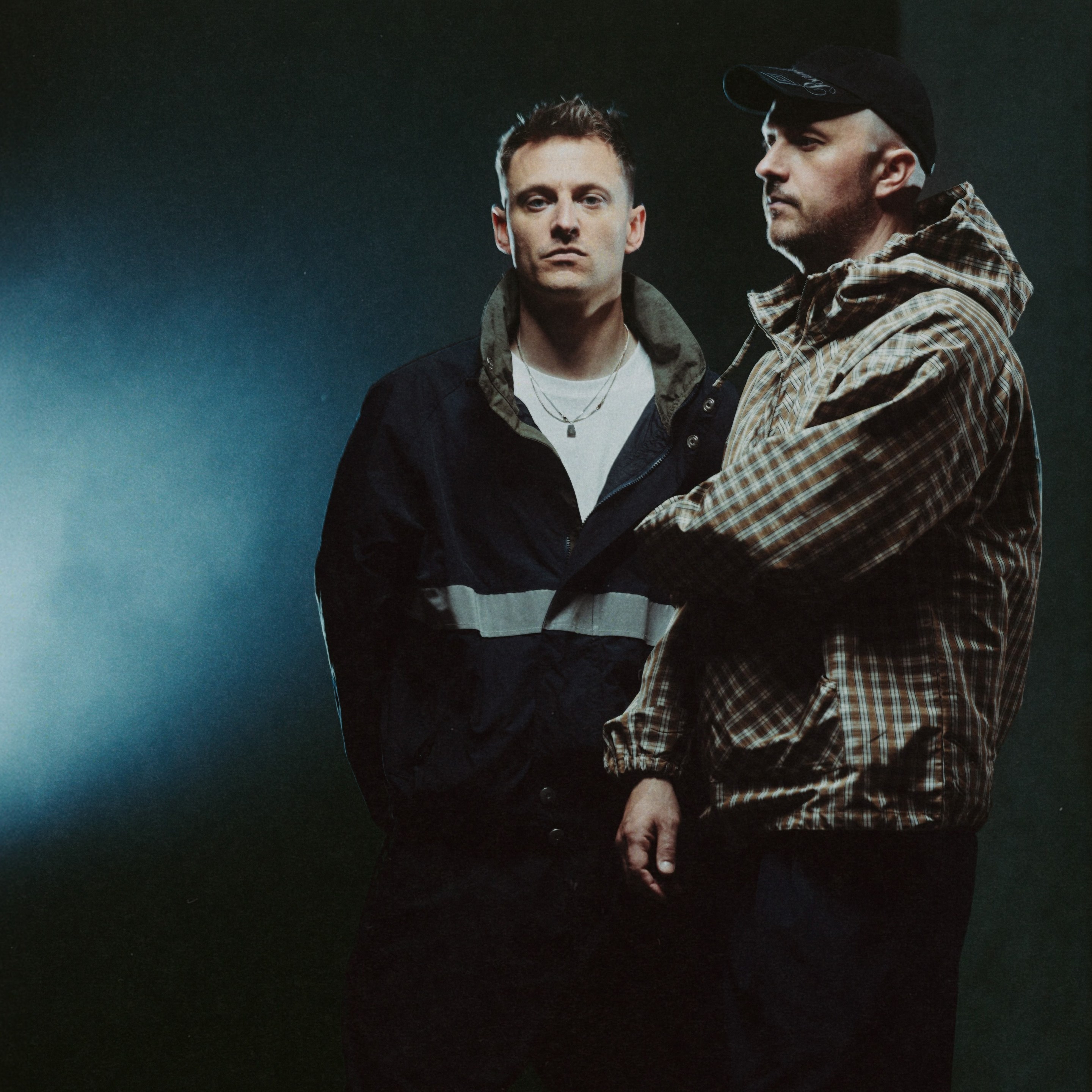
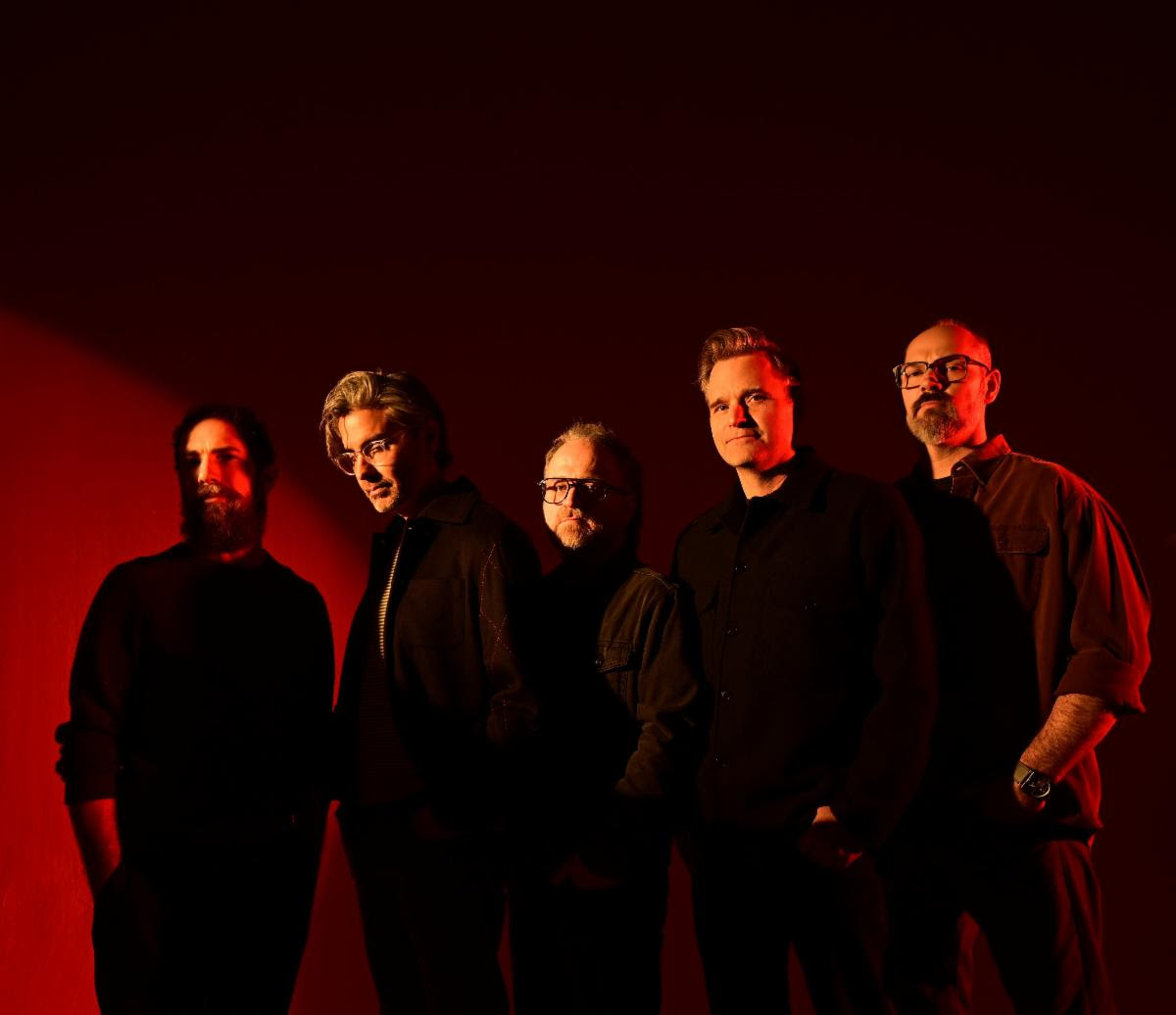
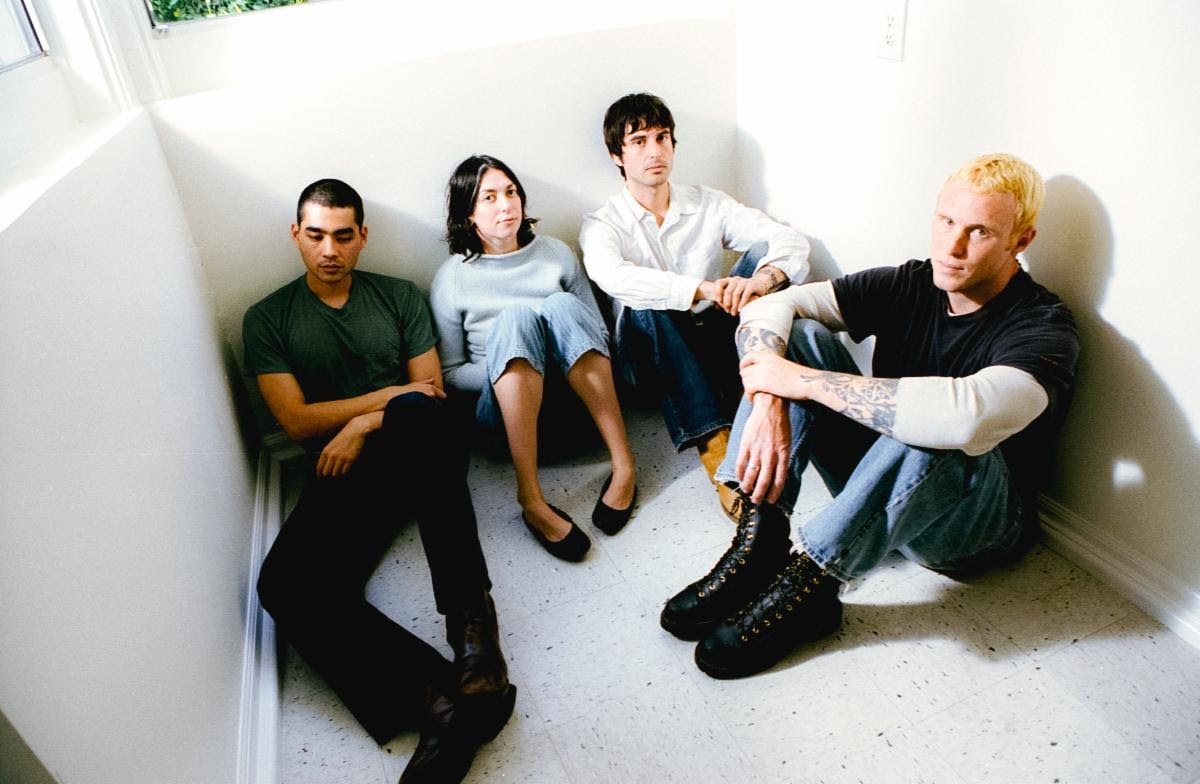
Everything great about Jawdropped was apparent in those three and a half minutes: the bitingly sweet vocal interplay between Roman Zangari and Kyra Morling, the irresistible propulsion served up by bassist Sean Edwards and drummer Cook Lee-Chobanian, the sense that most of the greatest pop-minded alt-rockers of the early '90s had been synthesized into a charmingly tuneful singularity. The video, too, was charming and mesmerizing, mirroring the song's savvy simplicity as it panned from one band member to the next.
Secret To Spare, out this Friday on Canvasback/Transgressive, is full of songs that good. Jawdropped give us gem after gem, brimming with hooks and dynamism, vibrant enough to make retro sounds feel like the future. Listening through, you instantly understand why Jawdropped is the band that worked out for these four after a decade spent toiling away in other LA projects.
It's been a pleasure to immerse myself in the album in recent months, just as it was a pleasure getting to know the band members on a recent video call. We spoke about Jawdropped's origins, the shared taste for classic American songwriting that brought them together, songwriting via eavesdropping at the bar, and the local and national music communities the band calls their own.
Today, Jawdropped are sharing one last advance single from the album. Album opener "The Line" is another winsome track with a deft sense of melody and momentum, like a wistful Teenage Fanclub jangler that gradually morphs into a Pixies song along the way. Below, watch the video and read my conversation with the band.
You guys have talked about how you’d been playing in bands for a long time when this band came about, and you were at a point where a lot of musicians would give up or deprioritize music in their life. What was it about this project that made you want to really give it a go?
ROMAN ZANGARI: I think there was a shared interest. There was a lot of overlap in musical taste that we discovered the first couple of times we jammed together, which made it really easy to feel like there was some sort of a mission statement or a direction we all wanted to go in. And that hasn't always been the case, at least in my experience. With bands I've been in, there's been a lot of push and pull in different directions from various members’ tastes or objectives. So as much as a cliche as maybe that sounds, it was pretty apparent right out the gate that we had struck gold or something. We all just felt really good about the early practices and the early shows and how the songs sounded when we all figured out our parts. When we started playing together, it just felt really, really natural and really effortless.
KYRA MORLING: I think also from those beginning shows, as much as you don't wanna care about what other people's responses were, we were getting good responses too, which I feel like is good encouragement to be like, “Oh yeah, let's just keep going.” Because I feel we definitely were, or at least I was personally at a point where I was like, “I think I need to get a salary job. I need to grow up.” Or just lock in in a different way and then. And of course that's when there was just some outside motion for the band, which was nice.
SEAN EDWARDS: There was one moment where we played, it was a pretty early show, maybe third or fourth show or something, and we were playing the song “Outside” at the end. And everyone started singing along to the song, and it almost caught us off guard. I think we fucked up in that outro of the track because people were singing. And then I remember thinking that time I was like, “Oh fuck, I think maybe we should keep doing this. We might be onto something. This is cool. This has never happened before, really, with a song you made up yourself.”
One of the first things you mentioned was that you had a shared vision and there was a sense of identity for the band. Are there any specific guiding principles for what makes a Jawdropped song or what you want the band to be?
ZANGARI: Yeah, definitely simplicity is a key component. We try not to overcomplicate things. I think also, we've talked about this before, but we want the songs to really be able to hold up on just an acoustic guitar and the vocal. You strip away everything else, there needs to be the essence of the song there. That mentality of writing traditional pop songs, that, I think, really is at the center of all of the music we've made together. It needs to be able to hold up without any frill or any kind of accompaniment or riffs or whatever.
EDWARDS: There’s also a tradition of American songwriting that we talk about a lot and listen to a lot and are big fans of that we wanted to be a part of, where we didn't see that, I guess, in a lot of stuff that was coming out. And a lot of the shit we like is shoegaze, your noisier [music] or whatever, and we have some of that in us. But what we’re really interested in is tapping into that Springsteen, Paul Westerberg, Lucinda Williams, that kind of — there's a certain je ne sais quoi to the American songwriting tradition that we were interested in and wanted to pursue and take part of, and try to write some of our own stuff from our own perspective.
It's interesting that you're talking about these singer-songwriter types. It's not necessarily the first thing that I think of when I listen to your record. It’s definitely songwriter-driven, but I think that maybe that's part of what gives you guys a distinctive flavor, ’cause I feel like there's a million power-pop bands going around. Maybe that is what's separating you guys.
ZANGARI: Yeah, I feel like our version of power pop that we've clung to is way more the Evan Dando, Big Star school of power pop rather than, I think a lot of the power pop emerging bands right now feel a little bit more focused on, I don't know, more garage rock-y stuff? I think there's almost a universality, timelessness to a lot of the artists that we're really influenced by. That's the direction I think we're trying to go in. It's more about writing these really timeless pop songs rather than the trappings of quote-unquote power pop, like the aesthetic around it or something.
COOK LEE-CHOBANIAN: It's all bands where there is one principal songwriter, but all the bands that they were in — Evan Dando, Lemonheads, Paul Westerberg, the Replacements.
Were your former bands much like Jawdropped, or is this a big pivot for you?
LEE-CHOBANIAN: Not mine, definitely [laughs].
ZANGARI: It's a pivot, I think, for everybody. But I do think there's, at least for myself, in a way, this feels a lot more true to, one, the music I enjoy listening to, and also what's natural as a songwriter, rather than past projects trying to wear a hat that doesn't quite fit.
EDWARDS: I think we're all gravitating towards it. We were all getting closer to what we're doing now in our other bands, but not really. Like we've always been interested in rock — you know, rock ’n’ roll music in its truest sense. Roman was kind of writing those songs in his old band. I was definitely writing those songs in my old band. And then when we all got together with Kyra's songwriting as well, and the lyricism, it all just put together. We all were trying to do the same thing in our old bands, and then we found each other. And then we didn't really have to talk about what we wanted to make because we already knew it. We just started making it, which was sick, and it came out.
MORLING: Yeah, and I think we also attached to a concept: You go to your local bar and there's the local band playing, or a group of old dudes playing, that kind of sensibility. Like you maybe kind of know the song, or it feels familiar, you have a memory of the song, and then you're attached to it. And I feel like that's something for me that I'm going to keep working towards is that warm fuzzy feeling you get when you're at a bar and there's maybe 12 people there and there's just this band ripping it, and you're like, “Wow, I could live in this moment forever.”
That's cool. I mean, hopefully, your audiences are going to continue to grow larger and larger, so it'd be interesting to try to preserve that vibe.
EDWARDS: Yeah, I don't wanna play to 12 people anymore.
MORLING: I don't want to play to 12 people, but I want to feel intimate, like everyone has their own show.
EDWARDS: It's also making these songs where you could walk into any bar in your town, America, and throw down, and everyone's gonna be like, “Oh, sick. That was cool. We can all have fun doing this.” There's that ethos to it. And I think that's where the American songwriting tradition thing comes in. Not wanting to sound like Paul Westerberg particularly or Bruce Springsteen or whatever, but trying to do our own version of that. Because that's what they did, you know what I mean? Springsteen was listening to Pete Seeger and shit, but he doesn't sound like Pete Seeger.
You mostly self-produced your album. Was that a financial decision, or a creative decision, or how did that come to be?
ZANGARI: Yes and no. It was a bit of both, I think. I think we wanted to try to keep the creative control to the four of us and have it feel as raw and pure “band in a room” energy as possible. We'd be lying if we didn't say it wasn't also just the financial limitations. And the time limitations. A lot of the record was pieced together over the course of a few months because we all have day jobs, and sometimes we could only find one day that week that we could get together, go to the studio, and record. So we did that over the course of maybe a couple of months, getting together on a Saturday or a Sunday or a random weekday when coincidentally four of us had work off or three of us that work off, and trying to build it that way. Which I don't think is ideal. I don't think any band would really want to do that. But we kind of make it work.
Did you all have a lot of experience with recording yourself before embarking on this album?
ZANGARI: I feel like we'd all recorded plenty of music up to now.
EDWARDS: We've been in the studio. We've made records and stuff. Maybe there's a little bit more going on with this one, the biggest project potentially, but not even really. I think we had a pretty good amount of studio experience.
LEE-CHOBANIAN: I mean, I don't know how to do anything. [Group laughs.]
EDWARDS: I've hung out, you know? Gotten drunk in a lot of control rooms.
ZANGARI: Our friend Colin engineered the whole album, and he was definitely a very helpful person to have involved because, one, it was his studio and two, he really knew his way around miking and setting stuff up.
MORLING: And we did the EP with him.
ZANGARI: Yeah, so we already had a bit of a working relationship there, so it felt pretty natural.
So, if the idea was to try to get that vibe of a band playing together in a room, did you mostly track live, or was that a sleight of hand thing?
ZANGARI: We tracked live. There's some vocal overdubs and a couple of guitar overdubs, but we did the core of every song live, no metronome. Just would play together in the room and try to get a take that we all felt was good. And I think it gives the record a certain looseness. That was something that we're attracted to. We mentioned the Replacements earlier and Paul Westerberg, and that's a quality of a lot of their stuff. Or even the Rolling Stones to a certain extent. And that slightly unhinged rock thing, I think, is something that we thought was part of our live shows, for one, so we wanted to try to get that across on the record as well.
How'd you end up putting it out on Canvasback/Transgressive?
EDWARDS: They did a lot of legwork.
Like pursuing you?
ZANGARI: Jack [Hedges] who runs Canvasback, he came to see us.
EDWARDS: He flew to Asheville to come check it out, and then we hung out for the whole night. And then he came to Philly later on that tour, and we all hung out. And then him and Mariah, who works at Canvasback as well, went to New York. And at a certain point it was just like, “I think we're already on.”
You just gotta have the “define the relationship” conversation.
MORLING: Exactly, exactly. I mean, with the EP — which, thanks to Stereogum too — but we had a lot of good responses to the EP. And we kind of were like, “OK, who's gonna really help us out with what we need?” We need support. We need freedom. And we're trying to figure out who that would be. But then, also, we went on tour with Greg Freeman in December. We kind of were familiar, but then we saw his first show, and we're like, “Absolutely.” And it kind of just became clear. It's like, “Who's supporting him?” It's like, Transgressive. And he went with Canvasback on the earlier side for them, and I was like, “I want to be on the same label as that guy.”
And then once we were meeting Jack and Mariah, it was like, “OK, they totally get what we're trying to do. They're nice people. They're good hangs.” And it became clear. It’s like, “OK, this is the right move.” And also we're friends with the band Rocket from LA. I just like what they're doing with the bands. They're helping them evolve. It feels organic. And yeah, then we met everyone at Transgressive when we were just in the UK for the tour, and it's just good people, which I think is really, at this stage, it's what we're after.
ZANGARI: We're all music nerds, and music history nerds. And I think there's this idea of these labels that are these little families, like Motown in the ’60s or Creation Records in the ’90s. And you hear the stories about going to the office and they're all hanging out, and the bands know each other, and they all party together. It's so not the case, I think, in reality. But it's always something that I definitely fantasized about. And in a way, I think we really did find that with Transgressive and Canvasback. We're on a label with two of our favorite bands right now, who we are friends with. It's a really cool thing to get to say. It definitely feels we're all on the same team.
EDWARDS: Out of everyone we talked to, there's so much love from the Transgressive and Canvasback camp, and care, which really came through and won us over 100%. They loved us and cared about us and wanted us to be us in the best way possible. And then going to the UK was crazy too to just hang out with everyone and feel that extended into this other universe where they're so established and so well respected. It's just awesome.
ZANGARI: They put out some amazing records, so that obviously also helps feel like you're in good company.
I heard the EP and really liked it, but then when I saw the “Monday” video, I was like, “Oh my God, I love this band.” The song is great, and it's stuck in my head all the time. But also the video — it's a simple concept, but I found it so mesmerizing. How did that video come about, and was it easy or difficult to pull off?
ZANGARI: It was difficult. [Everyone laughs.]
EDWARDS: Shout out Rob, dude. Rob is the fucking man.
MORLING: Rob [Fraebel], who filmed the video. He had this concept for a really long time, and he helps run this gallery called Authorized Dealer. We love him, we trust him. But he wanted to make it for a while, and we're like, “Let's do it.” And it was kind of difficult.
ZANGARI: Yeah, just logistically having four people in four separate rooms with…
MORLING: …with a oner, you know?
ZANGARI: Trying to sync the song up and play it, there were some logistical issues, but we got it. We landed on the take where it worked. It was just a matter of everybody being able to hear the same track at the same time. We're in this cacophonous gallery space where you can barely hear over the fucking drums in the room. Yeah it was pretty chaotic. He was across the street on a truck.
EDWARDS: Rob was across the street on the phone with our friend Polly, who was in the room with us on speakerphone with him. And then Rob had notes where he memorized the beats of the song. So, like, “At this time, go to this one,” or whatever. But then Polly was having to start the song on speakerphone with him, and he was barely hearing it and trying to watch us play it and hit the shots. It was kind of a psycho operation. And people kept walking by and stopping in front of the window and pointing at us and shit, and being like, “Whoa!” And then we had to stop. Because it's funny if someone walks by once, but if someone stands in front of Roman for 30 seconds, you're like, “Alright, this is not gonna work.” So we gotta wait till you move or whatever.
ZANGARI: It was kind of a humiliation ritual.
MORLING: Someone saw me in the window. They're like, “I saw you standing in a window, driving by. What were you doing?” And I was like, “Oh yeah, I was filming a music video.” Because the street that it's on is pretty busy. Yeah, I think a lot of people definitely saw us.
LEE-CHOBANIAN: People were weird. There was a guy that knocked on the door and stopped us, and I opened it to tell him we're busy, and he was like, “What are you guys doing?” I'm like, “Clearly something.”
EDWARDS: Didn’t you go to high school with that guy?
LEE-CHOBANIAN: Yeah, and then I realized I went to high school with him. And I was like, “I went to high school with you, also.” And he's like, “Really?” And I closed the door.
I don't know my LA geography very well, but what street were you on?
MORLING: Silver Lake Blvd. Right by the reservoir. It’s a big cutthrough street.
ZANGARI: Yeah, we shot it in the gallery that Rob is one of the owners of. They have a cool little setup in this building that has these four perfect square windows all the same size.
And then, the “Split Lip” video seemed a chance to put all your friends together in a video. Who do we see in there?
ZANGARI: It's everyone.
MORLING: They’re probably all in “Cup” too. We were like, “We're having a barbecue, come be on camera. We have a bunch of beer.” It was kind of a one-two kind of thing, like, “Hey, come hang out, and you might be on camera.”
EDWARDS: I bought so many fireworks from this guy in South Central, and I accidentally bought — I thought I was buying 12, and I bought 72 of these gigantic mortars. And it was insane to have them all in my house. But in terms of the bands represented, Semi Trucks was in the cut. We had the famed OutWest of underground legend in California. Who else was there?
ZANGARI: Fish Narc.
EDWARDS: Fish Narc.
ZANGARI: Yeah, just the general homies from LA music.
What's your corner of the LA scene? Where do you play? It sounds like those are some of the bands that you hang with, but do you see yourself as part of a scene there?
ZANGARI: I don't know. I was just talking about this with somebody last night, coincidentally. But I feel like LA, it's just so big, and there's so many people here who play music, that it really feels like, if anything, there are so many different little scenes. And they overlap, and they bleed into each other at times, but I don't know if it really feels like we're part of a true scene,
EDWARDS: I would say yes, actually. I think it's one of those things where, like, does a fish in the ocean know it's wet? You know what I mean? I think that you'll look back and be like, “Holy fuck, yeah, of course, that was so sick.” We've been at a gig like every day this week, essentially, of all our homies. So I think there really is one, more than we give it credit for and think there is. Like we hang out with the band Semi Trucks all the time, Bondo, the Berries. We watched Fish Narc play last night. We hang out with Rocket all the time. There's just a million — sometimes you just look around the bar and you're like, “Oh shit, it's all people from just different indie bands.” And then, Angel Investor and Tracy and Urika’s Bedroom and Untitled Halo. You can just rattle off a million bands that we're close personal friends with and are in the thing. So I think, more than we think, there is a scene.
MORLING: I feel like this is a constant conversation, this topic that we've been asked. But I feel like, yes, everyone we know is in a band, but I don't know if there's necessarily — sometimes when I think of a scene, it's like we're influencing each other, and I don't necessarily feel like we are feeding off of each other in a way. Which is why it felt so like, when we made this band, like, “Oh shit, this is something that maybe we were craving that we didn't realize that we wanted it.” So it's like all my friends are in bands, but I don't know necessarily if we're making the same type of shit. Which is good, but that's why it's hard to say. I don't know if I have a good answer for the scene thing.
ZANGARI: And it's, but then you get into just, “What is a scene,” you know?
MORLING: [Laughs.]
LEE-CHOBANIAN: I feel like there are a lot of bands, but LA is, in terms of musically, I feel like it's a much smaller town than you would think. So pretty much you're gonna encounter everyone at some point if you're playing music. Yes, we're friends with other people in bands. If you want to call that a scene, I'd say yes. But like Kyra said, are we influencing each other? Probably not.
MORLING: Maybe that's it because we're in it. Because I feel like there's a New York scene, but maybe they don't feel the same way.
LEE-CHOBANIAN: Yeah, New York has much more of a scene style thing going on right now. But I would say less so, there's one that's signature to LA, right now at least.
MORLING: Yeah, that's a big question, I guess.
EDWARDS: It's almost become a little more national at this point. I feel like if you think about the bands we're connected with, it would be Greg Freeman or Golomb or even Graham Hunt is in a similar zone. And so it's definitely broadened for us as we have toured way more and then made more friends across the country and the world.
Roman, you’ve said some of your songs are based on stories from being a barfly. Are there any particular stories that you can talk about that you translated into songs on the album?
ZANGARI: I guess “Cup” is probably the most literal. I don't know if I could trace it to a specific incident, but I think everyone has had that experience of sitting at a bar and having somebody a couple stools down from you just spilling their guts drunkenly to the bartender. You know, bartender therapist energy.
MORLING: Which, I am a bartender at a lot of different wine bars in LA, so definitely, every night I could talk to someone.
ZANGARI: You see these people so often who, they were in a band, or they were an actor, they had some kind of success in the arts in LA at some point in time. And that kind of thing ebbs and flows, and you cross paths with people at whatever different points in their story. And it's always really interesting because ultimately, we're all here trying to do the same thing, at varying degrees of success.
MORLING: I think at the bar, too, even beyond just being a creative person, people tell their life secrets to either a stranger they just met or their best friend. You're in this intimate space. There's no windows. Some good stories come out of that, just from hearing — or you yourself are saying it.
You said multiple wine bars. Are you a wine expert?
MORLING: Yeah, I am a little. I guess that's my money job. I work for a natural wine import book, but then I also just… Yeah, I am a wine expert! So I got you, OK? If you drink. [Laughs.]
So what are people drinking right now?
MORLING: OK, well, the younger kids love cider. Cider is the thing, actually. And then chilled red. Any chilled red. I think orange wine is past its moment, I guess. Which is, who cares. It's gonna come around again, I think.
See, I'm not tapped into the wine scene, so I didn't know orange wine was even a thing.
MORLING: Oh my God, it had the chokehold on everyone, it felt like.
ZANGARI: We're beer drinkers, though, the rest of us.
MORLING: Hey, you sometimes partake!
ZANGARI: We all partake. We all partake.
EDWARDS: I like a chilled road in continental Europe, you know?
I imagine being in a band, it's easier to default to drinking beer at the show.
ZANGARI: That being said, we've had some cool little excursions on tour where Kyra's found a little local wine shop and made an effort to go over there and check it out. It's nice to have something to break up the flow of Miller High Life or whatever. Sometimes you need to switch it up.
MORLING: Yeah, you gotta get a little bougie with it.
Secret To Spare is out 9/18 on Transgressive/Canvasback.